

A Guide for Identifying and Managing Old-Growth Pinyon and Juniper Woodlands
Authors: Jeanne C. Chambers, Richard F. Miller, Eva K. Strand, and Lisa M. Ellsworth
Suggested citation: Chambers, J.C.; Miller, R.F.; Strand, E.K.; Ellsworth, L.M. 2026. A guide for identifying and managing old-growth pinyon and juniper woodlands. Reno, NV: Great Basin Fire Science Exchange. 22 p.

Funding for developing the guide was provided by the USDA FS Rocky Mountain Research Station and Great Basin Fire Science Exchange, and for publishing the guide was from the Nevada Forest and Woodland Restoration Institute (NFWRI). The findings and conclusions in this publication are those of the authors and should not be construed to represent any official USDA or U.S. Government determination or policy. The authors thank Peter Weisberg for contributing to the content of the guide, Brad Washa, Ali Paulson, Aryn Hadyn, and Génie MontBlanc for helpful reviews, and Corey Gucker and Ions Web Infrastructure for design and layout. Photographs were provided by the authors unless otherwise noted.
Introduction
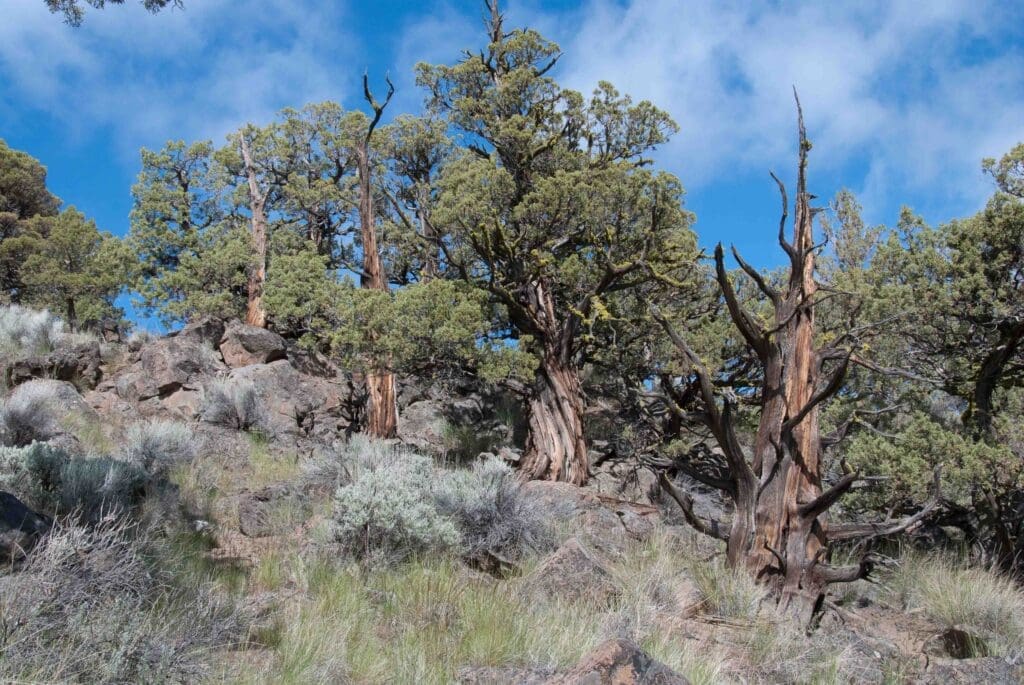
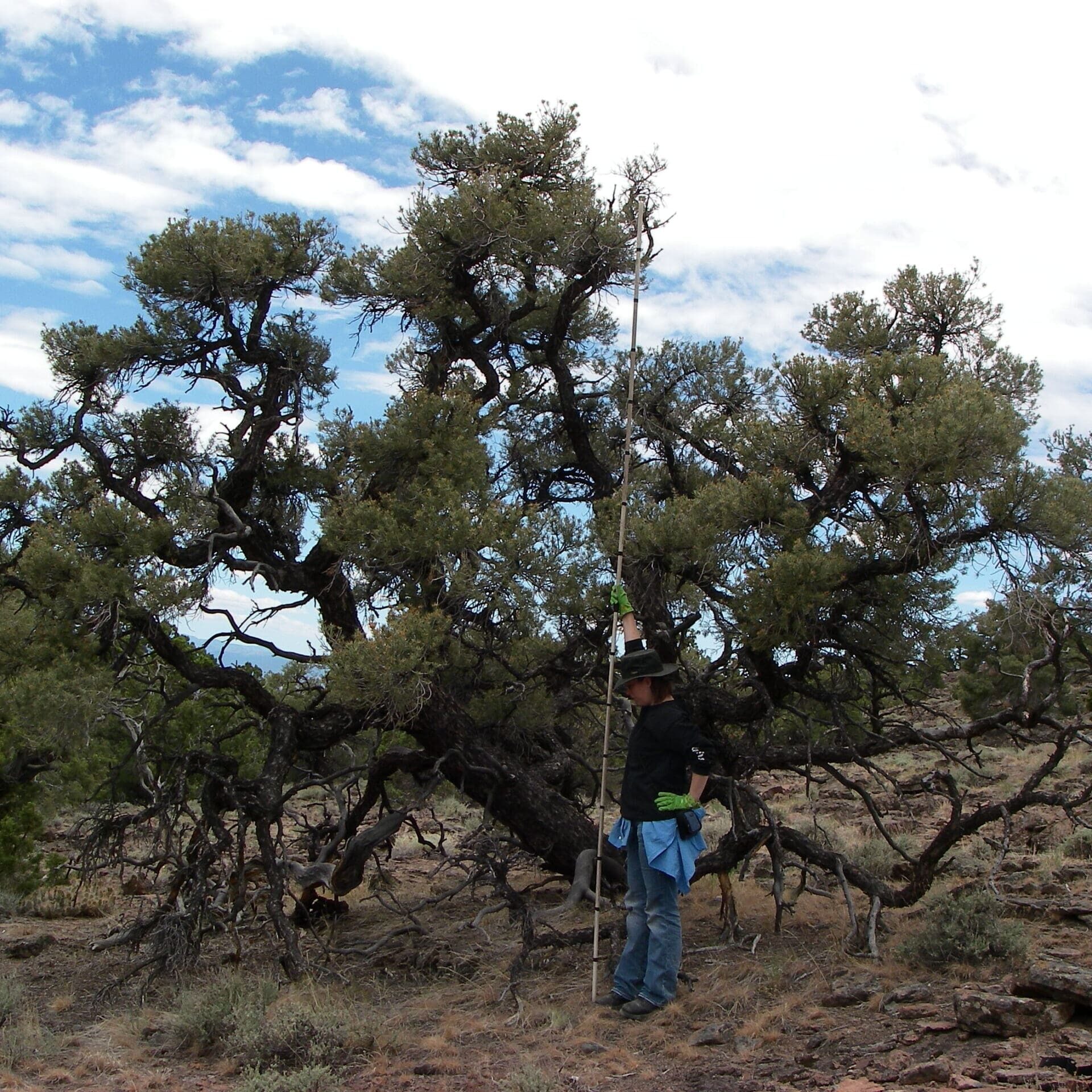
In recent years there has been increased focus on old-growth (persistent) pinyon and juniper woodlands (Fig. 1), but information on their identification and management is limited. Management objectives for pinyon and juniper are often twofold: (1) decreasing threats to old-growth woodlands to conserve their ecological and cultural values; and (2) reducing pinyon and juniper encroachment into shrublands to maintain their ecological resilience. It has been estimated that old-growth pinyon and juniper woodlands comprise only 2% of Forest Service (FS) and Bureau of Land Management (BLM) lands combined (USDA FS 2023). Old-growth woodlands can take centuries to recover if damaged by wildfire or managed inappropriately (Waichler et al. 2001). This guide is intended to provide information to help managers identify old-growth woodlands and pinyon and juniper encroached shrublands and develop effective management strategies for woodlands. The primary focus is on old-growth woodlands characterized by western juniper (Juniperus occidentalis), Utah juniper (J. osteosperma), and singleleaf pinyon (Pinus monophylla).
The guide has the following components:
1 - Purpose and Approach
This field guide provides the information needed to identify old-growth (persistent) woodlands by evaluating ecological site characteristics, tree morphology, and stand characteristics. The approach in this field guide is based on the understanding that old-growth woodland ecological types can exist in different ecological states and successional phases after disturbances, such as wildfires or tree harvesting, and thus may have multiple tree ages. Old-growth stands in the later stages of woodland development are defined as having many trees that established prior to European and Anglo-American settlement and that are potentially many hundreds to over a thousand years old (Miller and Rose 1999; Miller et al. 2005). The approach used here for defining old-growth woodlands differs from that of a collaborative, national report by the USDA FS and USDOI BLM (USDA FS 2023). That report provides working definitions of old-growth forests, including old-growth pinyon and juniper woodlands, based on minimum criteria for live tree age, tree diameter, or number of trees per acre (see Appendix in this guide). While minimum criteria like those provided in the USDA FS (2023) report may be useful for planning, the ecological site characteristics and current ecological states of old-growth woodlands vary across landscapes. This field guide describes how to assess site characteristics, tree morphology, and stand characteristics to identify old-growth woodlands within planning areas.
To help identify old-growth woodlands and inform management strategies, this guide provides information on fire history, stand development, effects of land-use history, and climate on tree infill in old-growth woodlands and tree encroachment in shrublands. The ecological and cultural importance of old-growth woodlands are described, and the threats to old-growth woodlands are discussed.
To help determine if a planning area has the potential to support a shrubland or an old-growth woodland, ecological site concepts are used. State-and-transition models for generalized sagebrush shrubland and pinyon and juniper old-growth woodland ecological site types are provided to illustrate the various vegetation states (persistent plant communities) and phases (successional stages) that exist for the two different types. Transitions to alternative states and restoration pathways are shown.
Management strategies based on knowledge of ecological site type characteristics, current ecological state or plant community, and fuel structure, as well as effects of potential treatments are provided for old-growth and mature woodlands. Treatment location, type, and configuration all affect landscape appearance, cultural values, use by wildlife, and public perception, and the guide discusses considerations for each of these factors when developing management strategies.
2 - Definitions
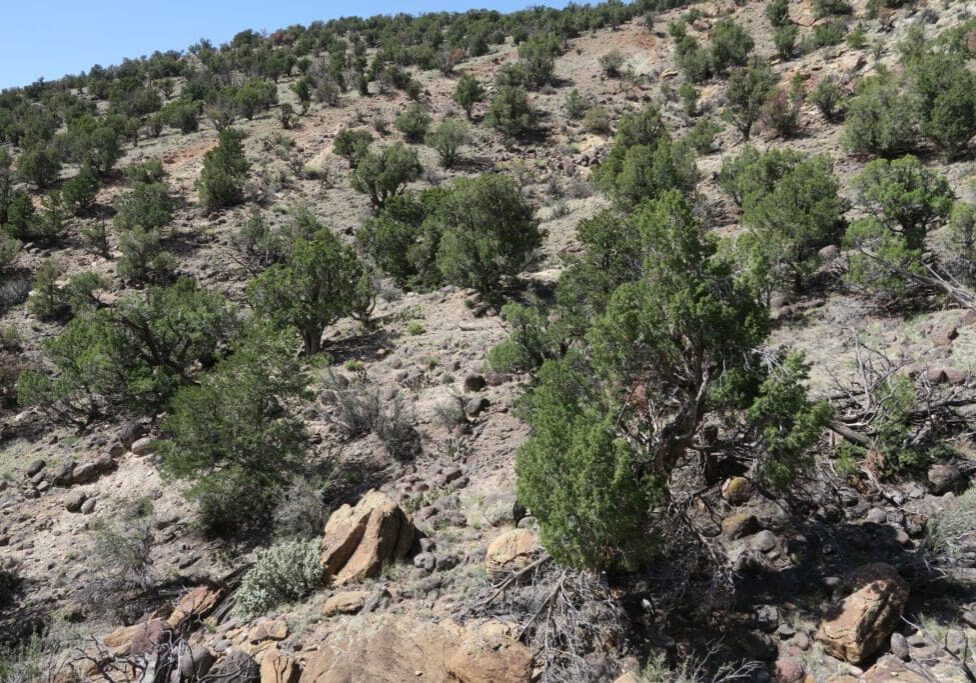
Encroached Shrubland ─ Areas where pinyon and juniper trees are establishing into sites historically characterized by shrubland, grassland, or other ecological types and altering their structure and function (Romme et al. 2009; Stringham et al. 2015a, b). Most trees established after European and Anglo-American settlement in the mid-to-late 1800s.
In some earlier guides and papers, encroached shrubland has been referred to as expansion woodland. Specifically, shrubland ecological types have been termed woodlands if pinyon and juniper trees were present, and the term expansion has been used instead of encroachment to provide a more positive connotation. In this guide, the term encroached shrubland is used to (1) explicitly differentiate shrubland and old-growth (persistent) pinyon and juniper ecological types, and (2) more accurately describe encroachment of pinyon and juniper trees into shrubland ecological types. The term expansion is used in paleobotany and defined in this guide as the regional or geographic increase in the range of a pinyon or juniper resulting from long-term climate change.
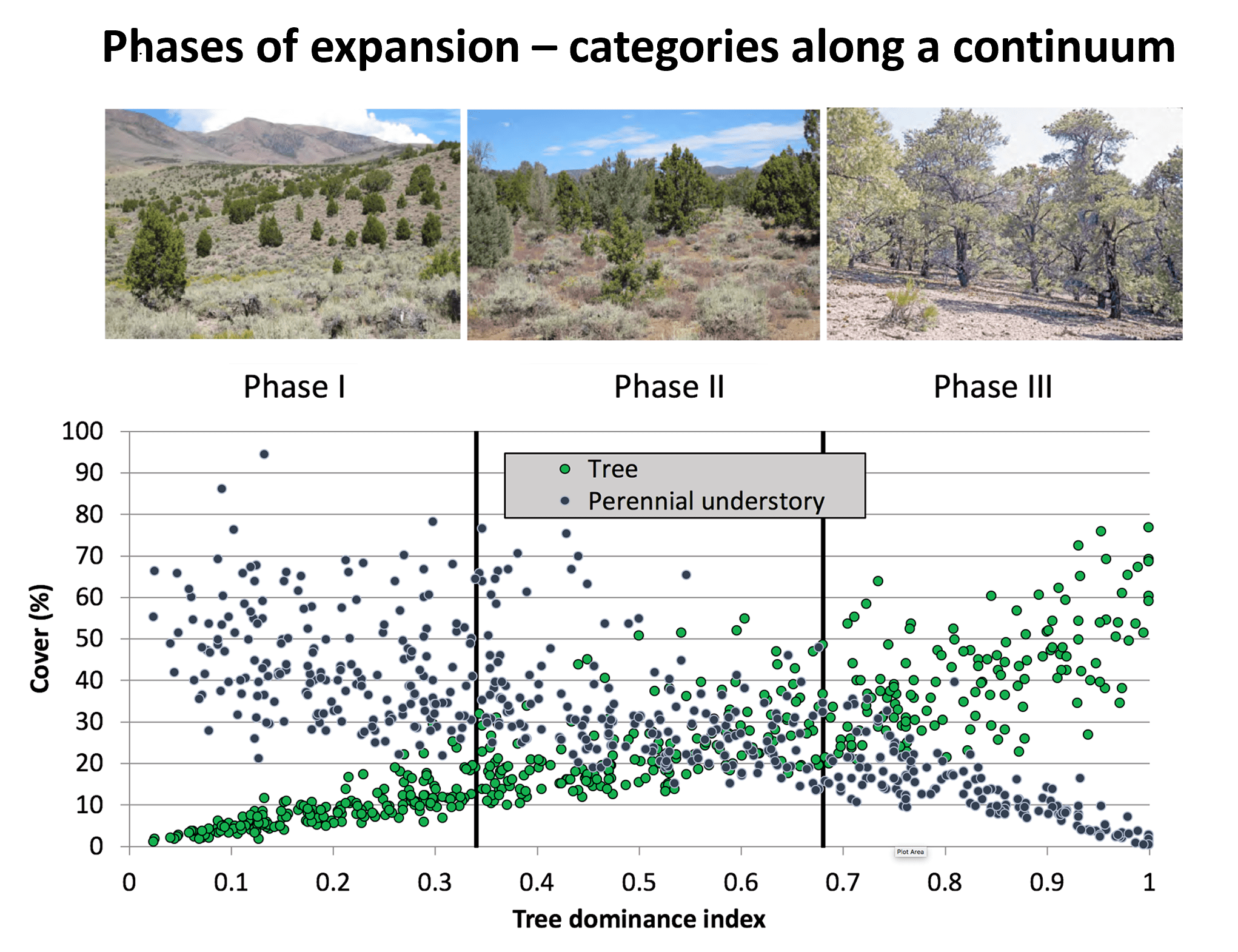
Three phases (successional stages) of tree stand development apply to pinyon and juniper encroachment into shrublands (Miller et al. 2005, 2019) that are characterized by which of the three vegetation layers (trees, shrubs, or perennial herbaceous vegetation) dominate (Fig. 2):
- Phase I ─ trees are present, but shrubs and herbs are the dominant vegetation influencing ecological processes.
- Phase II ─ trees are codominant with shrubs and herbs, and all three vegetation layers influence ecological processes.
- Phase III ─ trees are the dominant vegetation on the site and the primary plant layer influencing ecological processes.
Infill ─ The increase in tree density within old-growth woodlands that previously supported lower tree density.
Mature Woodland ─ Stage of old-growth (persistent) woodland development immediately before old-growth trees dominate the site (USDA FS 2023). Stands exhibit structural characteristics lacking in earlier stages of development and may contain some but not all the structural attributes of old-growth woodlands (USDA FS 2023). Mature trees typically characterize the stand. These trees are 80 to 100 years old and near maximum size depending on site history and site characteristics. Some trees may have established prior to European and Anglo-American settlement (Miller et al. 2019). Note that mature trees can also occur in Phase III encroached shrublands.
Old-Growth (Persistent) Woodland ─ Ecological sites that are typically characterized by shallow (< 19.7 inches [0.5-m] deep), coarse, and/or rocky soils, and occur on certain landscape positions, such as ridges and steep slopes or other non-depositional sites (Barney and Frischknecht 1974; Romme et al. 2009; Stringham et al. 2015a; Duniway et al. 2022). Potential understory vegetation varies with climate, soils, tree canopy characteristics, and past disturbance (Stringham et al. 2015 a, b). Later stages differ from earlier stages of old-growth woodland development in a variety of characteristics, including old-growth tree size and morphological characteristics, accumulation of large dead woody material, and ecosystem function (Hamilton 1993; Waichler et al. 2001; USDA FS 2023). Many trees established prior to European and Anglo-American settlement in the mid to late1800s and may be many hundreds to over a thousand years old in relatively undisturbed sites.
Pinyon or Juniper Contraction ─ The regional or geographic decrease in the range of a pinyon or juniper species resulting from long-term climate change (e.g., Wigand and Rhode 2002; Cole et al. 2013). Term used in paleobotany.
Pinyon or Juniper Expansion ─ The regional or geographic increase in the range of a pinyon or juniper species resulting from long-term climate change (e.g., Wigand and Rhode 2002; Cole et al. 2013). Term used in paleobotany.
3 - Ecological Site Characteristics of Old-Growth Woodlands
Topography ─ Typically ridge tops or relatively steep side slopes.
Soils ─ Usually shallow (< 0.5-m deep), coarse, or rocky; may be highly calcareous or have a high clay or sand content (Knutson and Pyke 2008; Romme et al. 2009; Stringham et al. 2015a, b). Soil water availability is typically low compared to adjacent sites due to the soil characteristics. In contrast, pinyon and juniper encroached big sagebrush shrublands (basin, Artemisia tridentata ssp. tridentata; Wyoming, A. t. ssp. wyomingensis; and mountain, A. t. ssp. vaseyana) are often associated with deeper, less coarse, or less rocky soils.
Climate ─ Pinyon and juniper species and associated vegetation change across regional environmental gradients as temperatures increase from north to south, and the timing of precipitation changes from winter- to summer-dominated from west to east. Western juniper typically occurs in areas with cool to cold, wet winters and relatively dry summers. Utah juniper and singleleaf pinyon both occur in areas with cool to cold winters. However, singleleaf pinyon occurs in climates with relatively dry summers while the distribution of Utah juniper spans dry to wet summers. Twoneedle pinyon (P. edulis) occurs in areas with cool winters and warm, wet summers (Fig. 3).
Elevation ─ Many elevations support pinyon and juniper species across the Intermountain West. The elevations of old-growth woodlands vary with climate, tree species, aspect, and soil characteristics (Tausch et al. 1981; Johnson and Miller 2008; Weisberg et al. 2008; Loehman et al. 2023).
Fire-safe sites ─ Old growth woodlands typically occur on relatively fire-safe sites due to a combination of site characteristics, including topography, relatively low tree cover, and limited understory fuels (Miller et al. 2019).
4 - Old Growth Tree Morphological Characteristics
Size and shape ─ Diameter at the root crown (DRC) and height are useful indicators of old-growth status but become less predictive as trees age (Gascho Landis and Bailey 2006; Weisberg and Ko 2012).
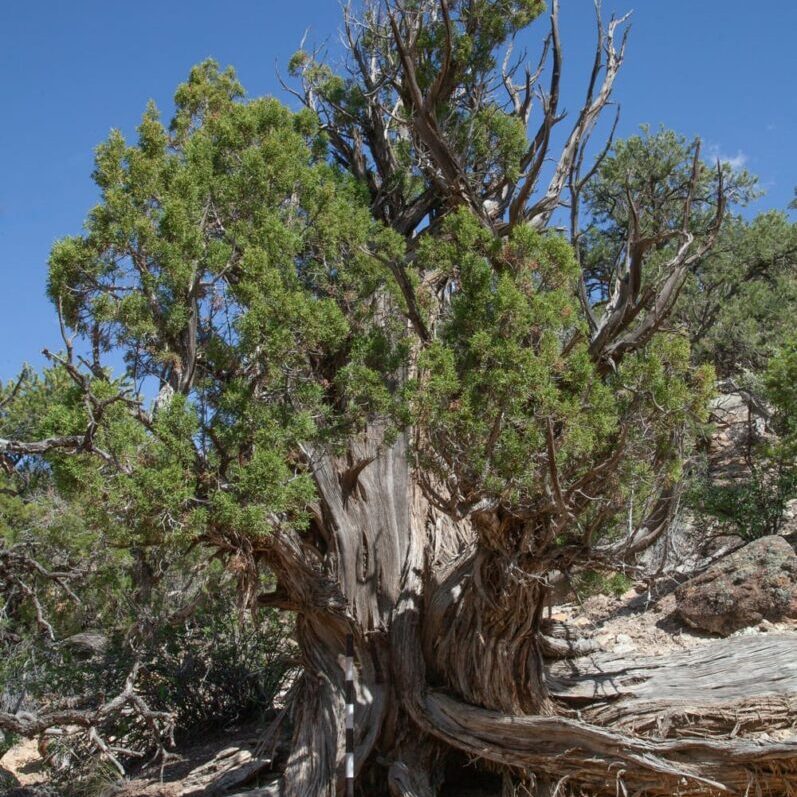
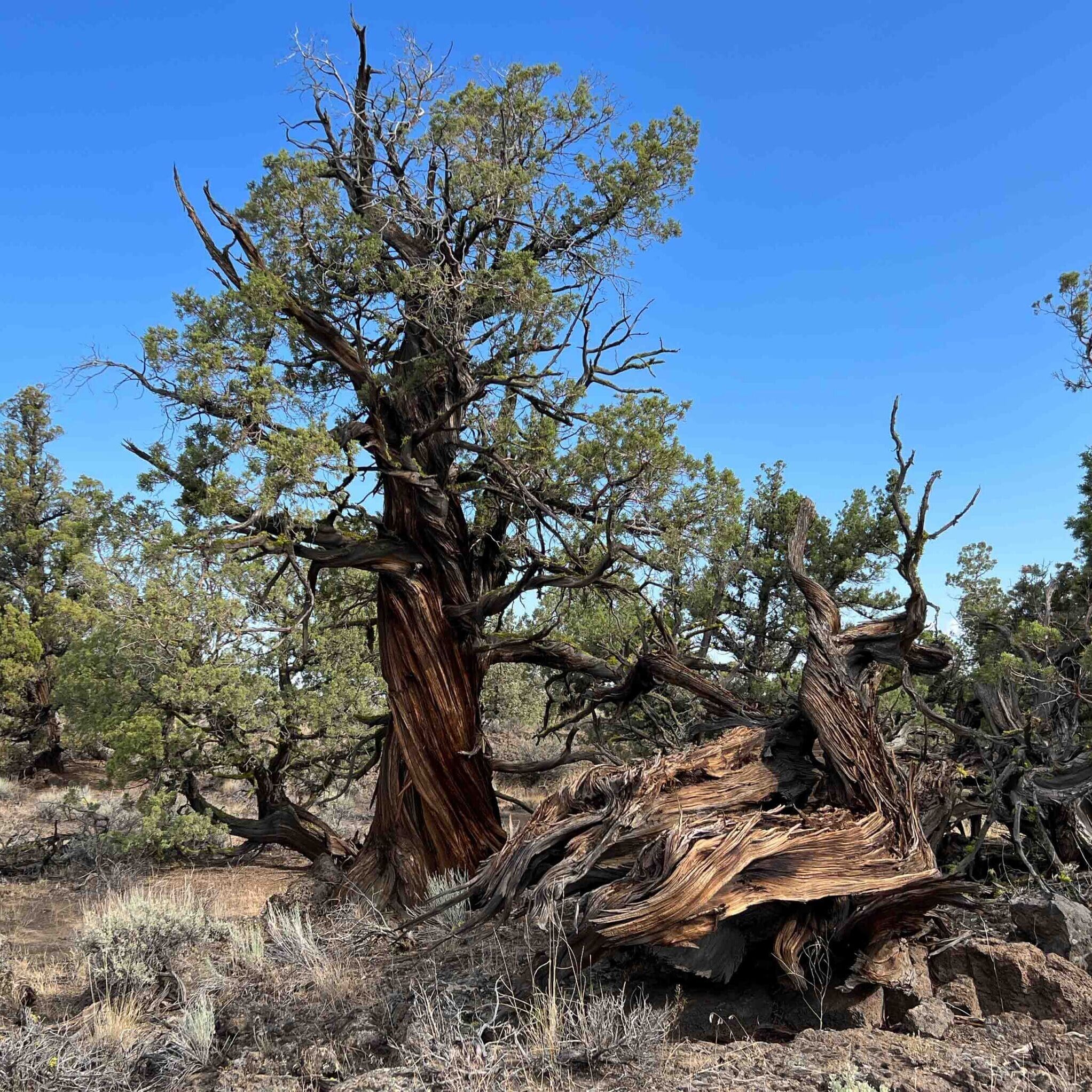
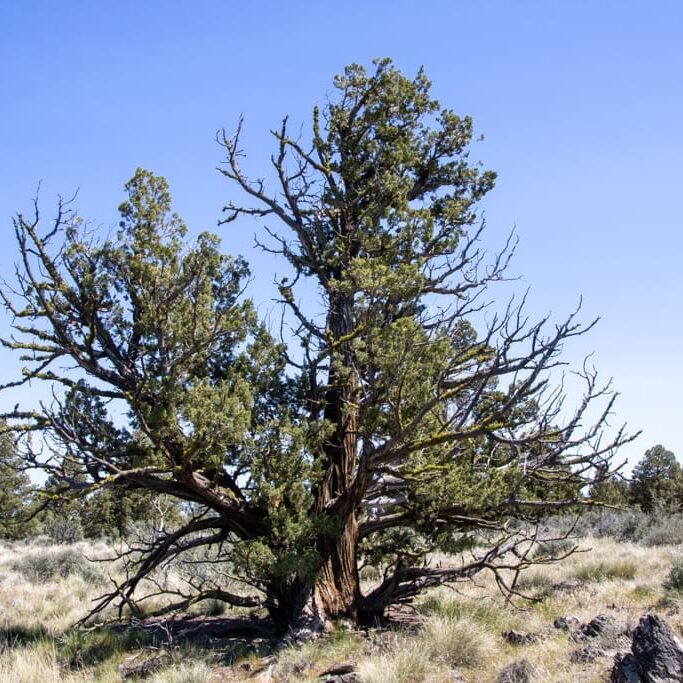
- Reduced crown ─ Large bole (trunk) and lower branch dimensions, but small crown area (Fig. 4a)
- Squat ─ Often large diameter relative to height
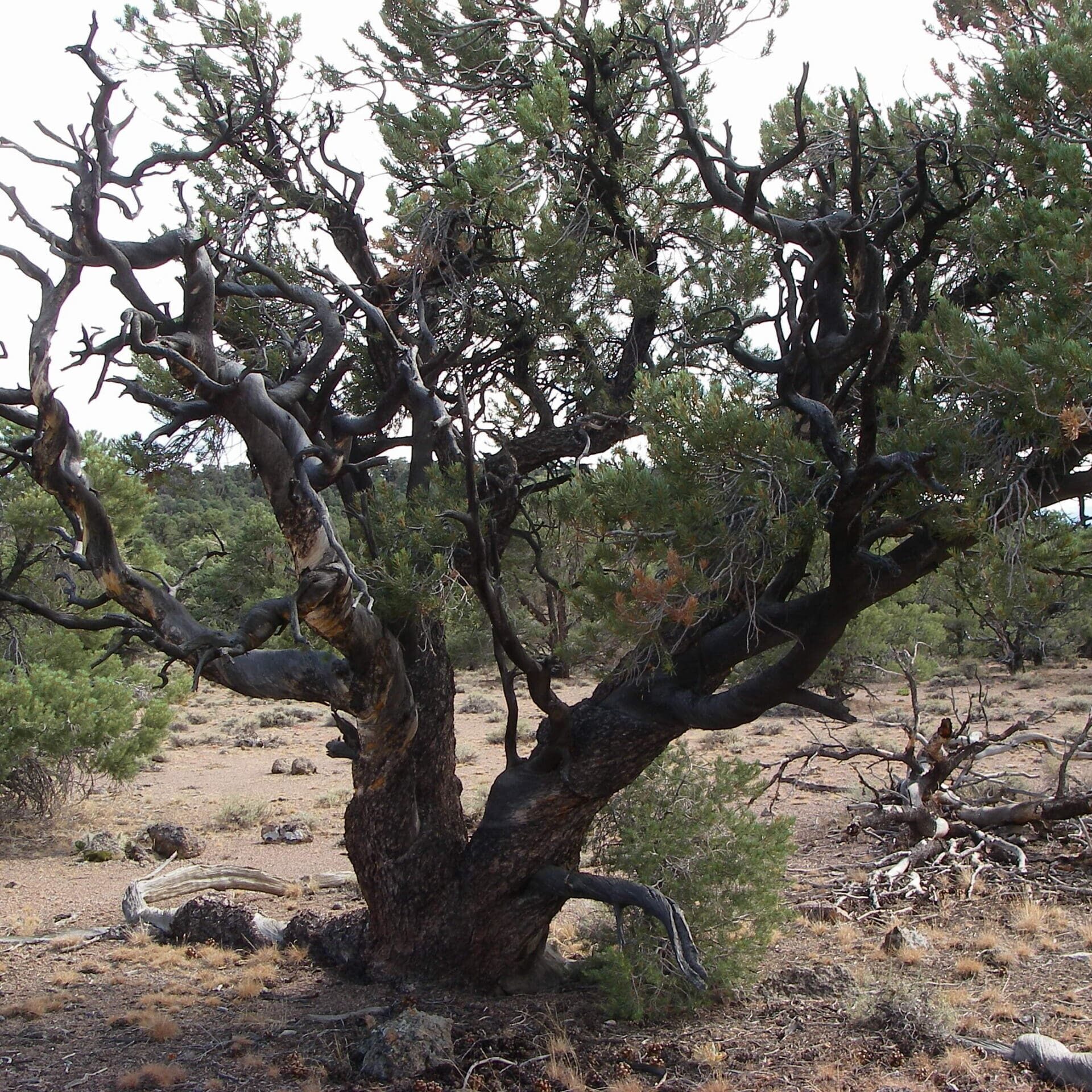
- Other ─ Dead wood in canopy and exposed large roots (Fig. 4b) (Jacobs 2008)
Examples of Old-Growth Tree Morphological Characteristics
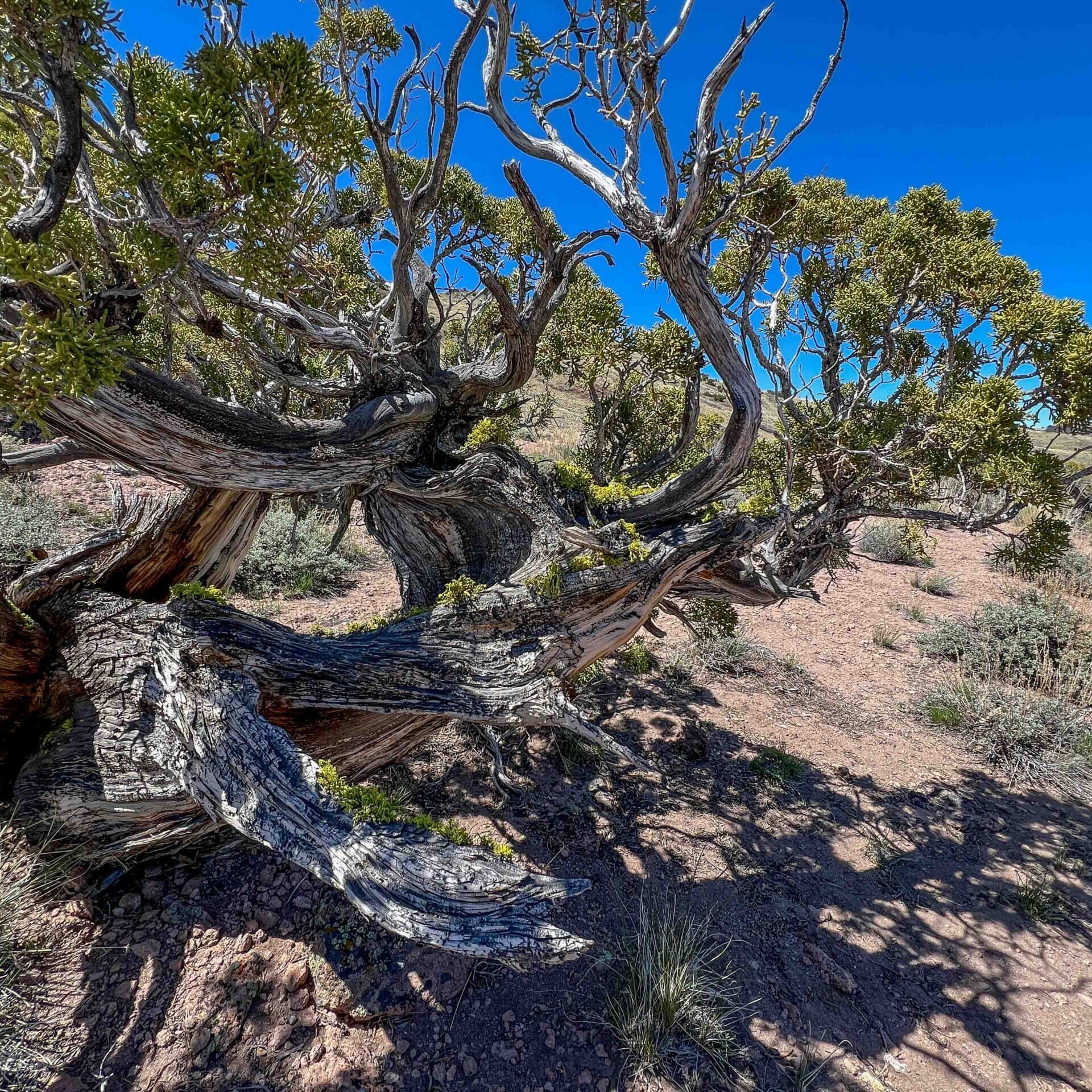
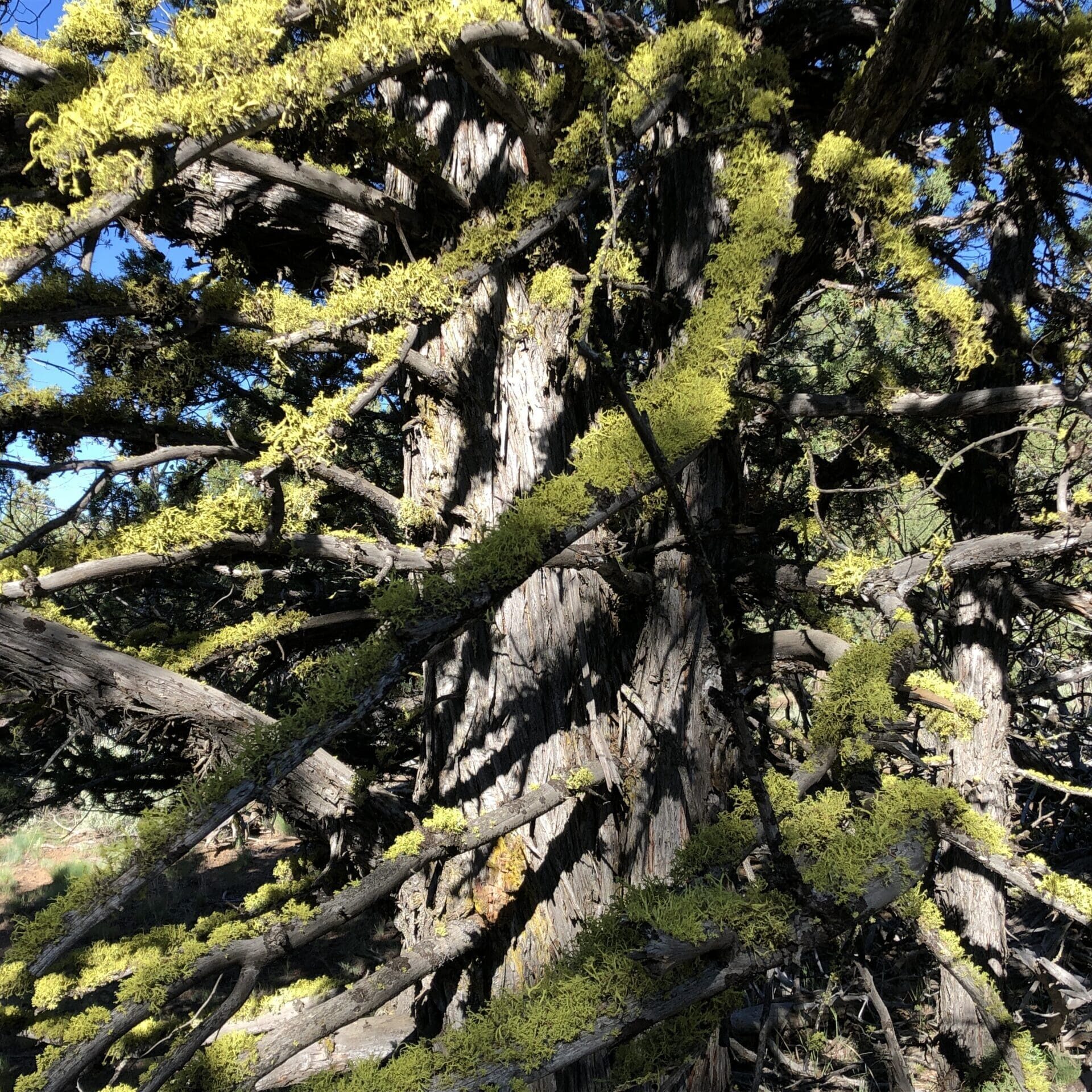
Western Juniper (Juniperus occidentalis)
Utah Juniper (Juniperus osteosperma)
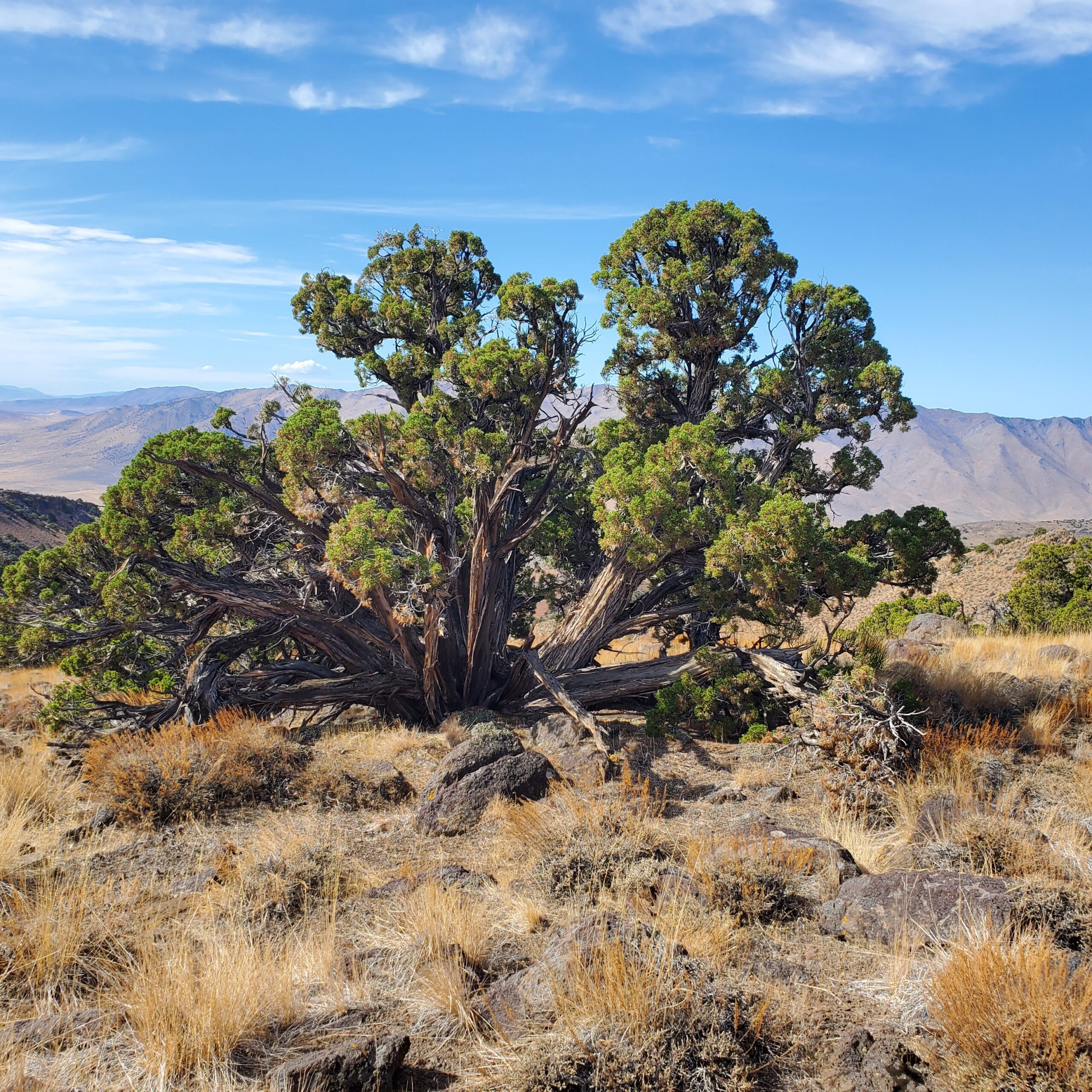
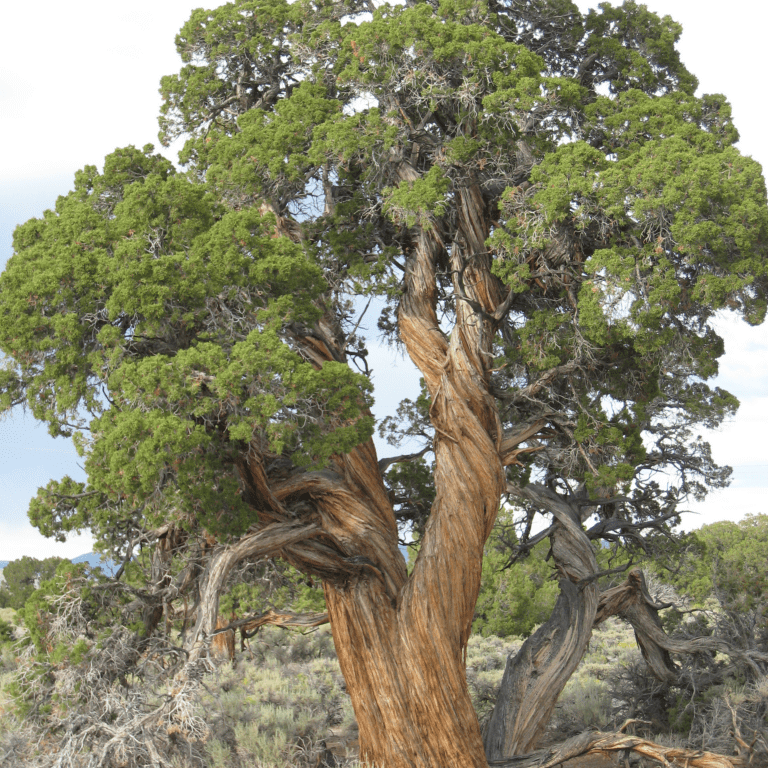
- Flattened or rounded crowns that may have dead tops (Fig. 5a)
- Limited terminal and lateral growth on the branch tips
- Dead wood in the canopy
- Large, twisted trunks (Fig. 5b)
- Lichen growth (Figs. 6a, 6b)
Singleleaf Pinyon (Pinus monophylla)
Twoneedle Pinyon (Pinus edulis)
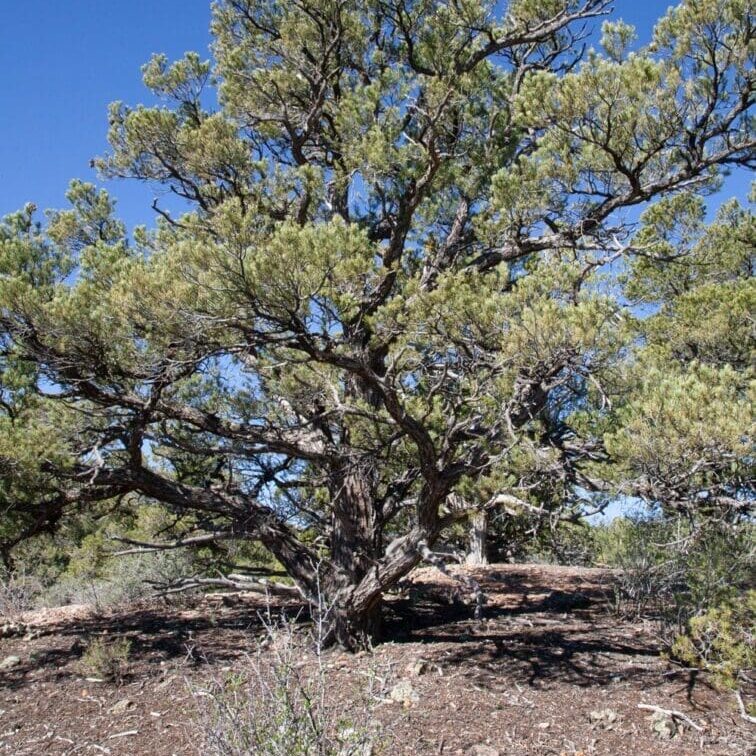
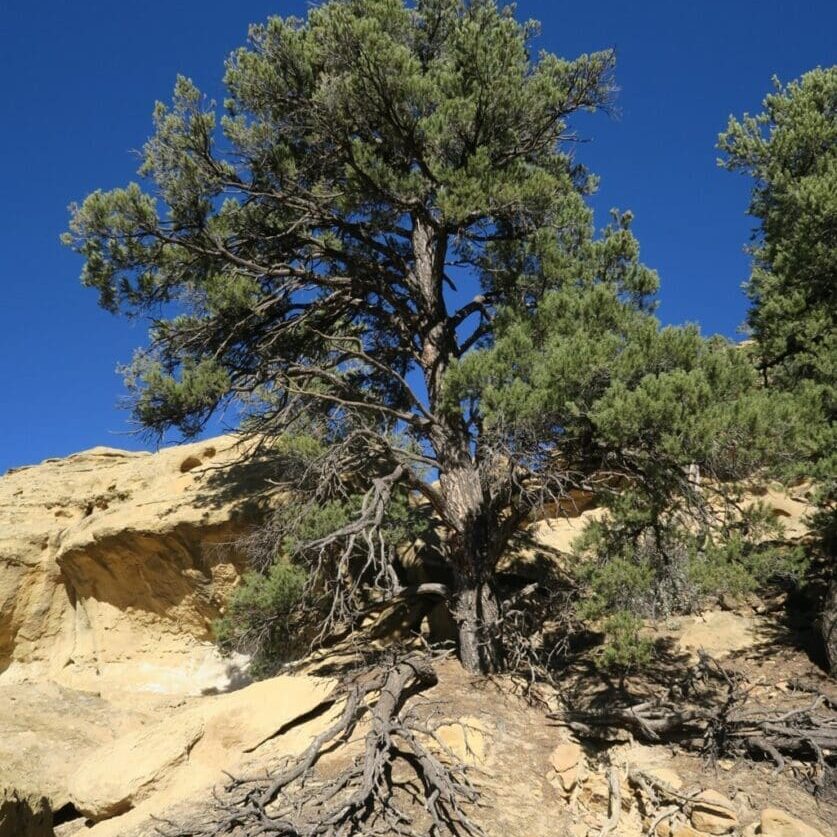
- Flattened or rounded crowns that may have dead tops (Fig. 7a)
- Dead branches in the canopy
- Large trunks
- Exposed roots (Fig. 7b)
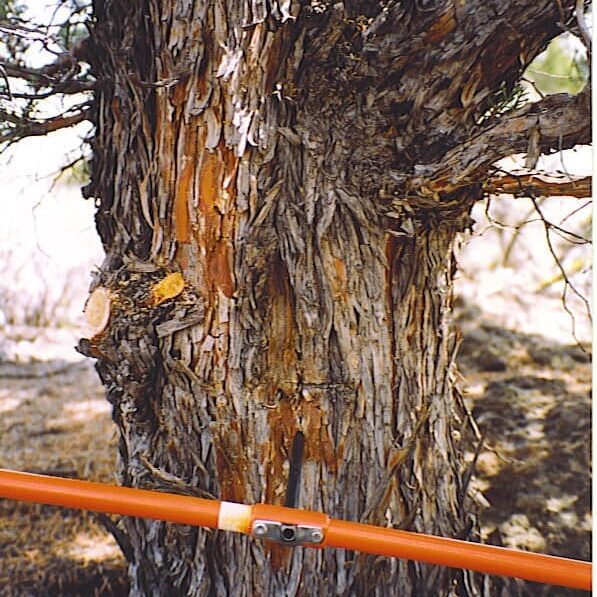
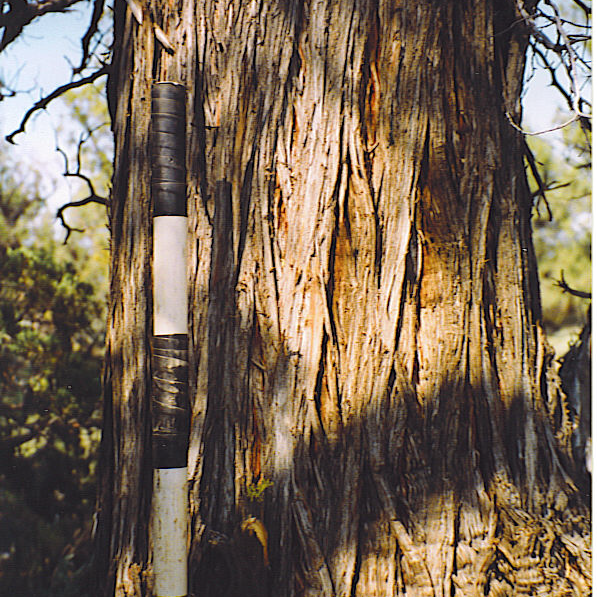
Bark on Western Juniper
Bark on Utah Juniper
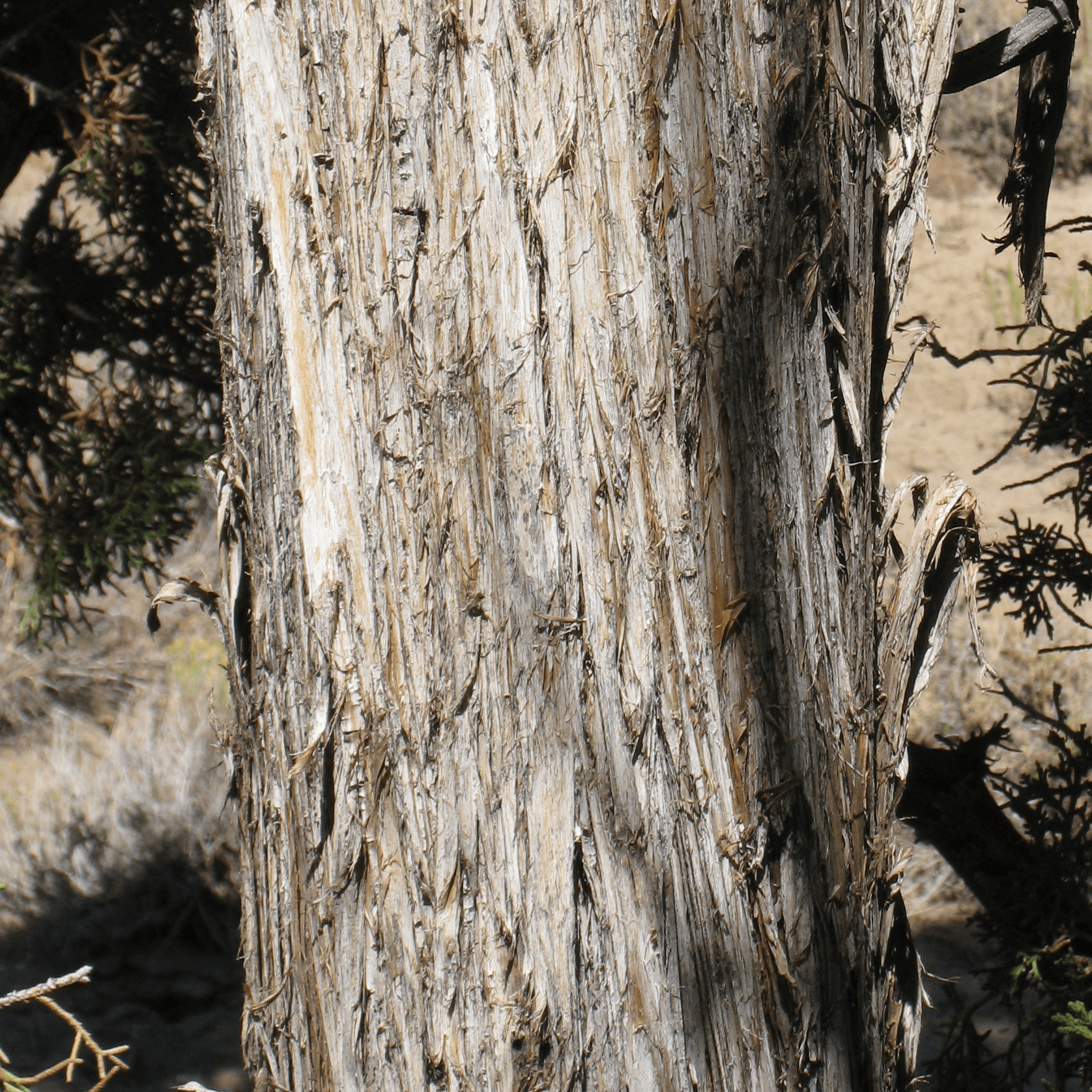
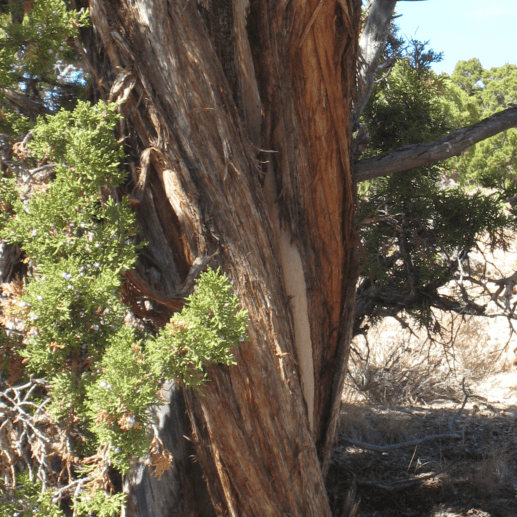
- Typically flaky and thin at < 130 to 150 years old (Figs. 8a, 9a)
- Thicker bark and very fibrous at > 200 to 250 years. Heartwood may be exposed on old-growth trees (Figs. 8b, 9b)
Bark on Singleleaf Pinyon
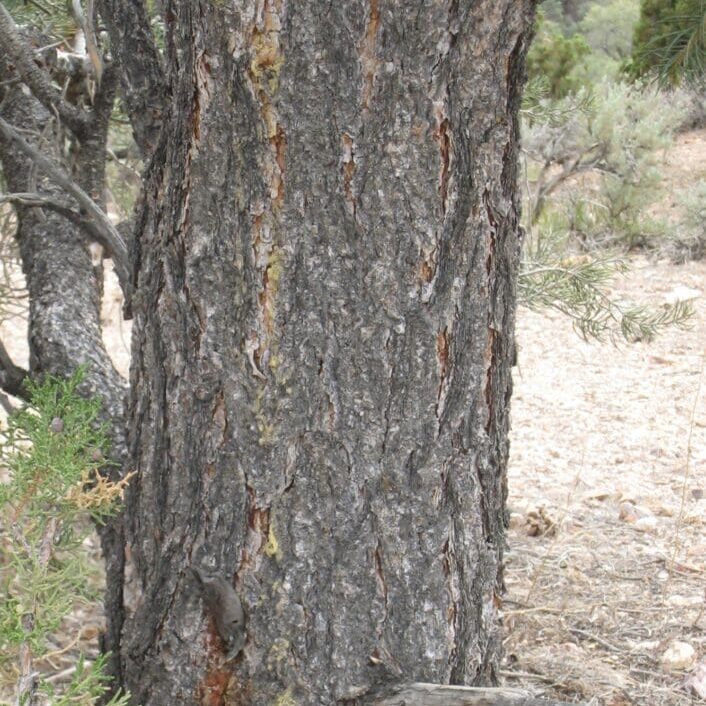
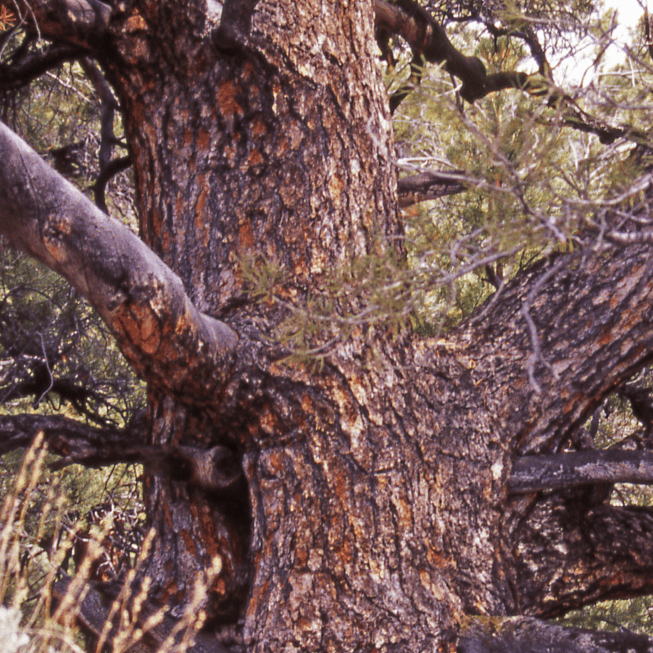
Table 1. Characteristics of younger and old- growth pinyon and juniper trees (adapted from Miller et al. 2019). Tree characteristics can vary with tree age due to site conditions such as climate, soils, and topography.
|
Characteristic |
Younger Trees
(< 130-150 years) |
Old-Growth Trees
(> 150-200 years) |
|
─ Juniper ─ |
||
| Crown shape | Conical with pointed tip | Flattened, rounded, or uneven top |
| Branch structure | Branches progressively smaller from bottom to top of tree | In open stands, large branches near the base |
| Bark | Flaky, relatively thin with limited or shallow vertical furrows | Thick and fibrous with well-developed vertical furrows |
| Leader growth | Leader growth at tips of main branches in the upper 1/4 of the tree usually > 2 inches (5 cm). In open stands, leader growth > 2 inches per year | Leader growth at tips of main branches in the upper 1/4 of the tree usually < 1 inch (2.5 cm) |
|
─ Pinyon ─ |
||
| Crown shape | Conical with pointed to slightly rounded tip | Flattened, rounded, or uneven top |
| Branch structure | Branches smaller from bottom to top of tree - general orientation is vertical | In open stands, branches large near base and relatively large into the crown, but more randomly oriented |
| Bark | Relatively thin, flaky, with weak vertical furrows | Thicker, more plate-like than furrowed structure |
| Leader growth | Leader growth at tips of main branches in pinyon similar to juniper but not directly visible; look at bud scale scars to determine amount of growth | Leader growth at tips of main branches in upper 1/4 of the tree usually < 2 inches (5 cm) |
|
─ Juniper and Pinyon ─ |
||
| Tree canopy lichen | Little or no foliose lichen | Juniper often covered by bright green foliose lichen; pinyon is not |
| Dead wood in living tree | Little dead wood in the main stem of the tree | Dead branches and bark missing, black stain or lichen on main stem |
| Downed dead wood across the site | Large diameter logs and stumps absent | Large diameter logs and stumps often charred and scattered across the site |
Change in singleleaf pinyon morphology over time (Weisberg and Ko 2012).
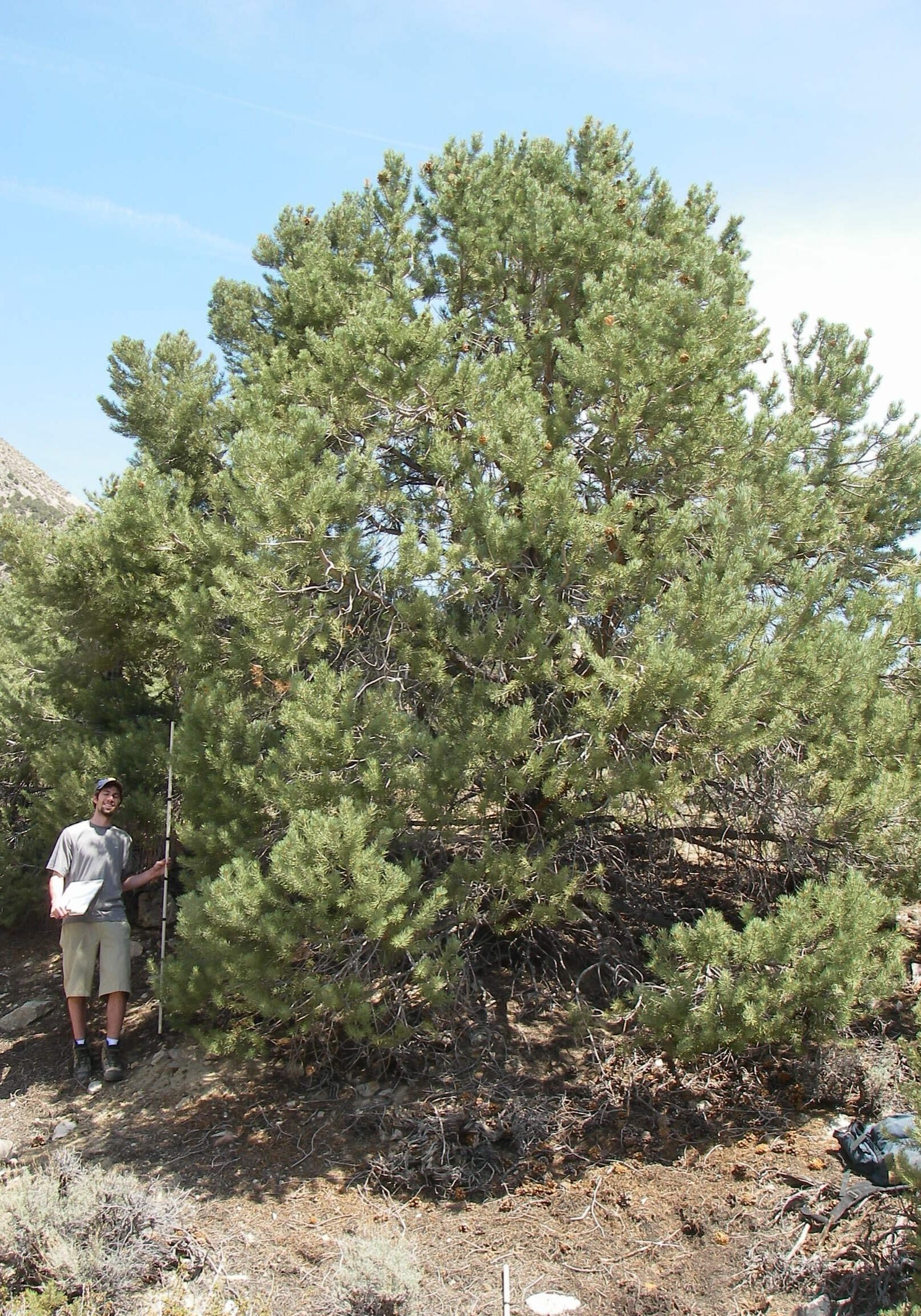
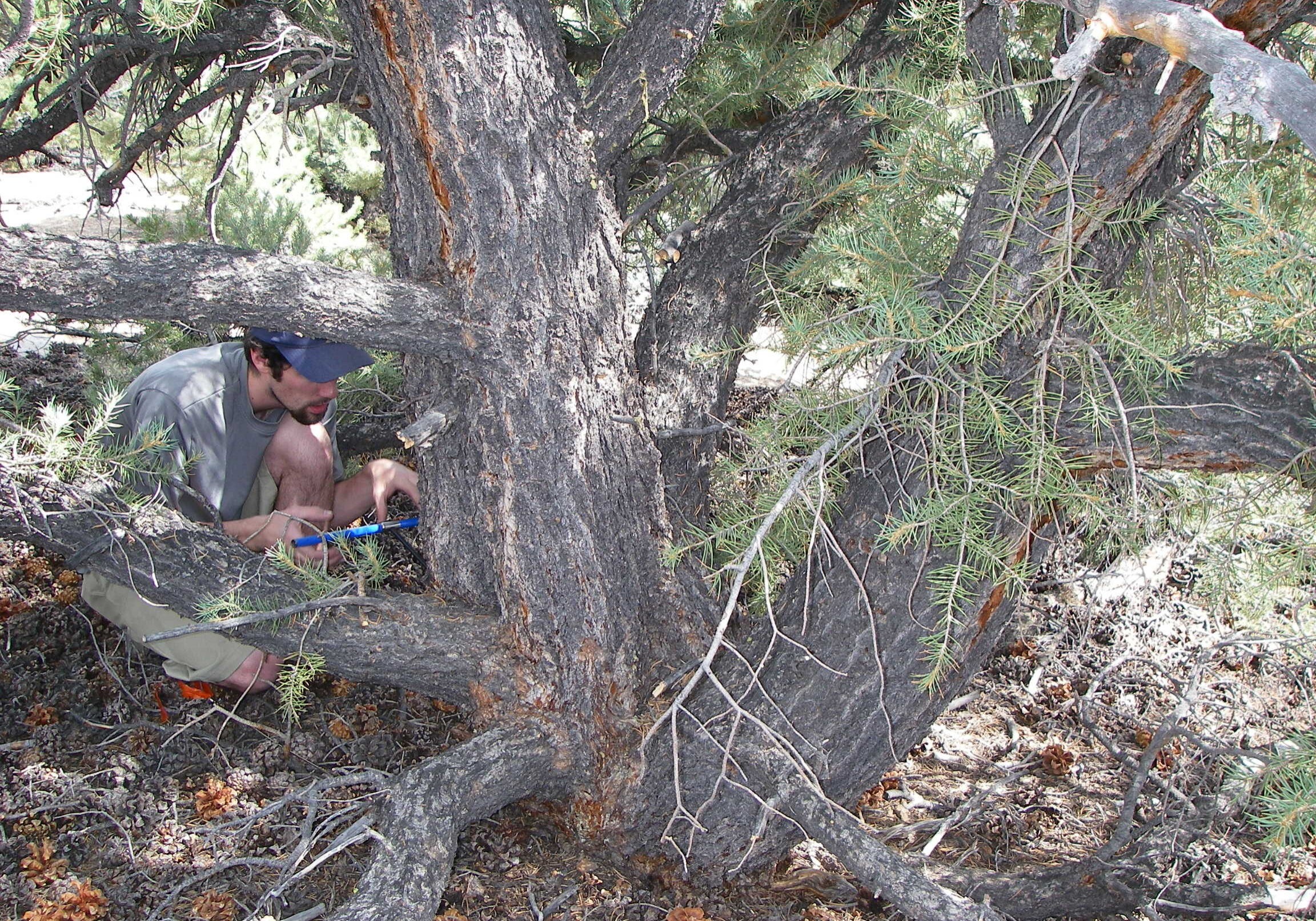
A. 61 yrs ─ Symmetrical and full green crown, small diameter (Fig. 11a)
B. 140 yrs ─ Forked stem, thickened lower branches, large diameter (Fig. 11b)
C. 286 yrs ─ Crown dieback, diminished canopy volume, thick lower branches, asymmetric crown, sinuous branching (Fig. 11c)
D. 307 yrs ─ Extensive crown dieback and diminished canopy, thick lower branches, and short, stubby growth form (Fig. 11d)
5 - Fire History and Stand Development of Old Growth
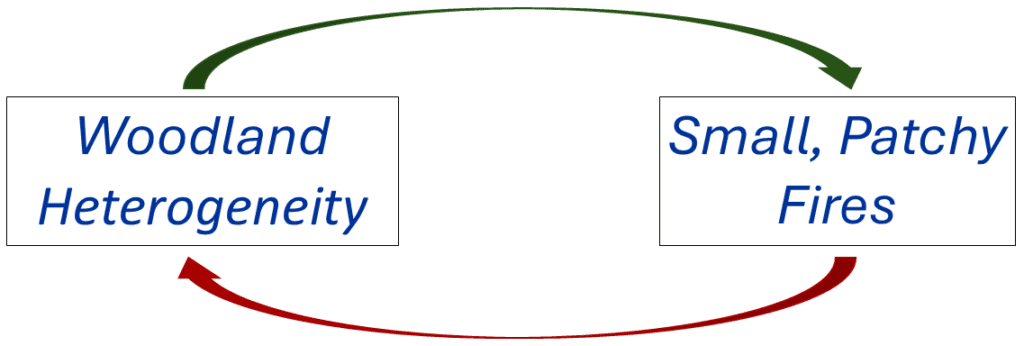
- The historical fire regime of old-growth woodlands has been characterized by a frequency of 200+ years for fires of stand-replacement severity (Schmidt et al. 2002).
- In the past, fuels in old-growth woodlands were often discontinuous due to the ecological site conditions and the patchiness of the vegetation. Fires ignited by lightning burned individual trees or groups of trees, however under drought conditions high winds could cause larger fires to burn (Waichler et al. 2001).
- Disturbances resulting in tree mortality included not only fire, but also drought, insect infestation, and disease (Miller et al. 2019).
- Slow regeneration of the trees following these disturbances favored the persistence of shrub, grass, and forb patches (Barney and Frischknecht 1974; Miller and Heyerdahl 2008).
- Old-growth woodlands typically experienced long fire-free intervals, and fires that did occur were usually small and patchy due to the variability of the vegetation and lack of surface fuels (Miller et al. 2019).
- In combination, these conditions generated patchiness at both stand and landscape scales and uneven-aged stand structures within the old-growth woodland patches.
6 - Tree Infill in Old-Growth Woodlands and Tree Encroachment in Shrublands
The extent and cover of pinyon and juniper trees have increased in recent decades across the Intermountain West (Filippelli et al. 2020; Morford et al. 2022). Infill in old-growth woodlands and encroachment of pinyon and juniper trees into adjacent vegetation types have been observed since European and Anglo-American settlement of the western U.S. Both land-use history and climate help explain the increase in pinyon and juniper as indicated by literature reviews, field assessments, and demographic models (Wright et al. 1979; West 1999; Heyerdahl et al. 2001; Miller et al. 2008; Marlon 2012; Miller et al. 2019; Noel et al. 2023).
Grazing. Excessive livestock grazing in the late 1800s through the early 1900s caused a significant decline in perennial grasses, altering the structure and function of shrubland ecosystems across much of the western U.S. (Stewart 1936; Stoddart et al. 1975). Decreased competition for available resources from perennial grasses altered plant community composition and likely created more favorable conditions for tree seedling establishment. For example, shrubs typically increase following removal of perennial grasses (Chambers et al. 2017; Pierce et al. 2019), and shrubs often serve as nurse plants and facilitate pinyon and juniper establishment (Chambers et al. 1999, Chambers 2001).
Climate. A favorable climatic period during the first two decades of the 1900s helped create the conditions needed for seedling establishment and a rapid increase in pinyon and juniper populations (Miller et al. 2008; Shriver et al. 2025). The increase in seed trees during this period likely created multiplicative or compounding tree population growth that persisted throughout the 20th and into the 21st century (Miller et al. 2008; Shriver et al. 2025).
Fire. A sharp decline in fire occurred across the Intermountain West in the late 1800s and early 1900s and coincided with a large increase in both pinyon and juniper trees (West 1983; Baisan and Swetnam 1990; Miller et al. 2019). The decline in fire preceded fire exclusion policies and was likely the result of excessive livestock grazing and depletion of grasses and forbs (fine fuels) necessary for fire spread (Heyerdahl et al. 2001; Marlon et al. 2012). The decrease in fires exacerbated tree infill in old-growth woodlands and encroachment in shrublands.
Recent Trends. The rate of tree seedling establishment has declined since the early 1900s. However, despite warmer temperatures and increasing aridity in recent decades (Bradford et al. 2020), tree infilling in old-growth woodlands and encroachment into shrublands continue in many areas (Miller et al. 2008; Filippelli et al. 2020; Morford et al. 2022). Pinyon and juniper tree species are well adapted to dryland environmental conditions but experience mortality during severe drought and are most vulnerable in the warmer and drier portions of their ranges and at higher stocking rates (Shriver et al. 2022; Noel et al. 2023.
- Research indicates that elevated atmospheric CO2 increases water-use efficiency and allows continued growth in western juniper despite increasing aridity (Soulé and Knapp 2019).
- Utah juniper can tolerate extremely dry soils, maintaining modest photosynthetic rates during drought and responding rapidly to summer rains (Leffler et al. 2002).
- Demographic models of the expected effects of climate change on singleleaf pinyon and Utah juniper indicate that both species have relatively low vulnerability to climate warming (Noel et al. 2023).
- Demographic models of the expected effects of climate change on twoneedle pinyon and oneseed juniper (J. monosperma) indicate that increasing aridity in the warmer and drier Southwest is resulting in population declines due to rising mortality and decreasing recruitment rates (Noel et al. 2023).
The current degree of infilling and encroachment as well as mortality differs across the landscape and is influenced by:
- Differences in climate and their influence on both tree establishment and wildfire (Miller et al. 2008; Noel et al. 2023),
- Site productivity and its effects on tree regeneration and growth (Johnson and Miller 2006),
- Type and extent of previous fuel treatments and other management activities (Reinhardt et al. 2020),
- Invasion of annual forbs and grasses and its influence on fire spread and fire return intervals (Board et al. 2018; Williams et al. 2023), and
- Effects of climate warming and increasing drought severity on both tree mortality and tree recruitment (Noel et al. 2023).
7 - Ecological and Cultural Importance of Old-Growth Woodlands
Ecological Value
- Partial canopy mortality and thinning crowns provide a mosaic of sunlit and shaded microsites promoting a higher diversity of understory plants (Waichler et al. 2001).
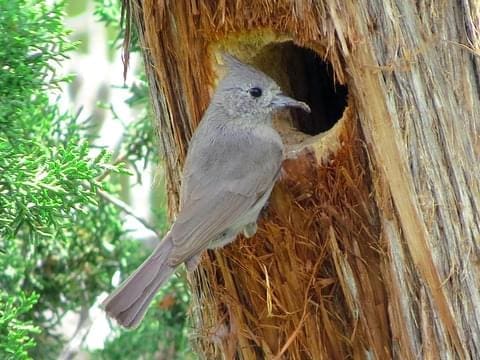
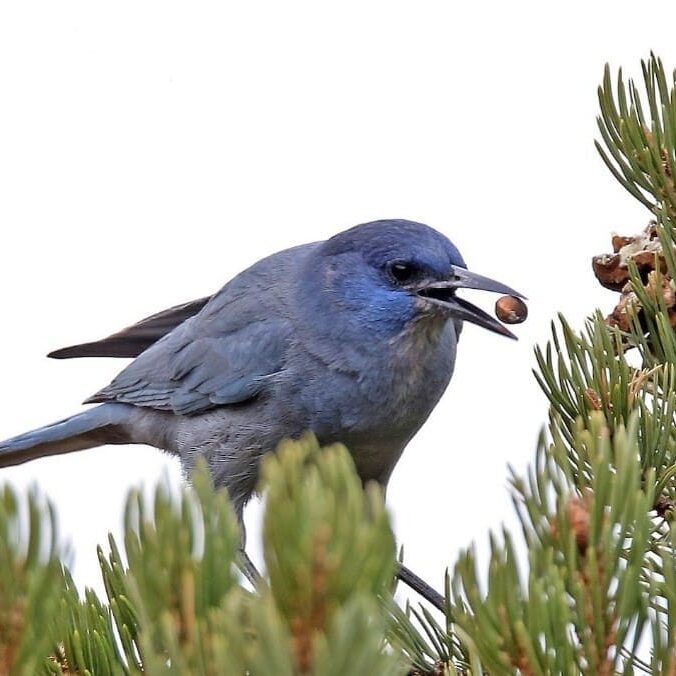
- Old-growth trees provide greater habitat heterogeneity benefiting many bird (Fig. 12), small mammal, and reptile species (Floyd et al. 2003).
- Old-growth trees provide habitat for tree-dwelling animal taxa and epiphytic plants (Floyd et al. 2003).
- Old-growth trees provide breeding habitat for cavity-nesting bird species (Reinkensmyer et al. 2007).
- Deep, furrowed bark is beneficial to insects and arthropods and provides habitat for bats (Kunz et al. 2003).
Cultural Value
Pinyon and juniper are of deep cultural and spiritual significance to Native Americans (D’Azevedo 1986; Miller 1997).
- Pinyon nuts are a prized food that has been a diet staple for thousands of years.
- Juniper berries and needles are used in traditional medicine to treat many ailments including influenza and indigestion. Pinyon pitch is used to make salves for skin issues and wounds.
- Trees are used for fuel for cooking and heating, as well as wood for construction. Juniper bark is used for materials like rope.
- Many old-growth woodlands are considered sacred cultural sites that represent a deep, long-standing connection to the land.
8 - Threats to Old-Growth Woodlands
Larger and more severe wildfires across the western U.S. mean that more wildfires are affecting old-growth woodlands and that fires are less patchy than they were historically (Abatzoglou and Williams 2016; Board et al. 2018; Strand and Bunting 2023; Strand et al. 2025).
- Fire regimes have been substantially altered and in some areas multiple fire intervals have been missed. This has resulted in increases in fire size, intensity, and severity and elevated the risk of losing key ecosystem components following wildfires.
- Infilling of old-growth woodlands is associated with increased continuity of canopy fuels. Infilling of old-growth woodlands also leads to increased drought stress, tree mortality, and dead, standing fuels.
- Increasingly hotter and drier climatic conditions lengthen fire seasons and increase rates of tree mortality.
- Biotic disturbances (insects and diseases) also increase rates of tree mortality and numbers of standing dead trees.
- Woodland invasion by non-native annual grasses increases fine fuel loading and can result in grass-fire cycles.
- Wood cutting or woody fuel treatments can remove old-growth trees and provide access to an area by ATV/UTVs, increasing the risk of invasion by non-native annual grasses and forbs.
9 - Use of Ecological Site Concepts to Identify Old-Growth Woodlands and Encroached Shrublands
Managing for old-growth woodlands begins with determining if the planning area has the potential to support a shrubland, an old-growth woodland, or both based on environmental characteristics.
- The types of management actions are based on the current ecological state or condition of the shrubland or old-growth woodland.
- Ecological site descriptions (ESDs) and state-and-transition models (STMs) provide information needed to distinguish old-growth from shrubland ecological types and make informed management decisions.
- ESDs and their associated STMs have been developed for much of the western U.S. and are available in the USDA ESD Catalog. STMs for Nevada, which include old-growth woodlands, are available at the University of Nevada Rangeland Ecology Lab.
The information provided by ESDs and STMs, and illustrations of different shrubland and woodland ESDs, follow.
Ecological Site Descriptions (ESDs)
- Site Characteristics of Ecological Site Types – physiographic, climate, soil, and water features
- Plant Communities – plant species, vegetation states, and ecological dynamics
- Site Interpretations – management alternatives
- Supporting Information – relevant literature and information
State and Transition Models (STMs)
- Identify the different vegetation states (persistent plant communities)
- Show the phases (successional stages) within the vegetation states
- Describe the disturbances that drive transitions between vegetation states
- Define the restoration activities needed to restore plant communities
Examples of Ecological Site Types
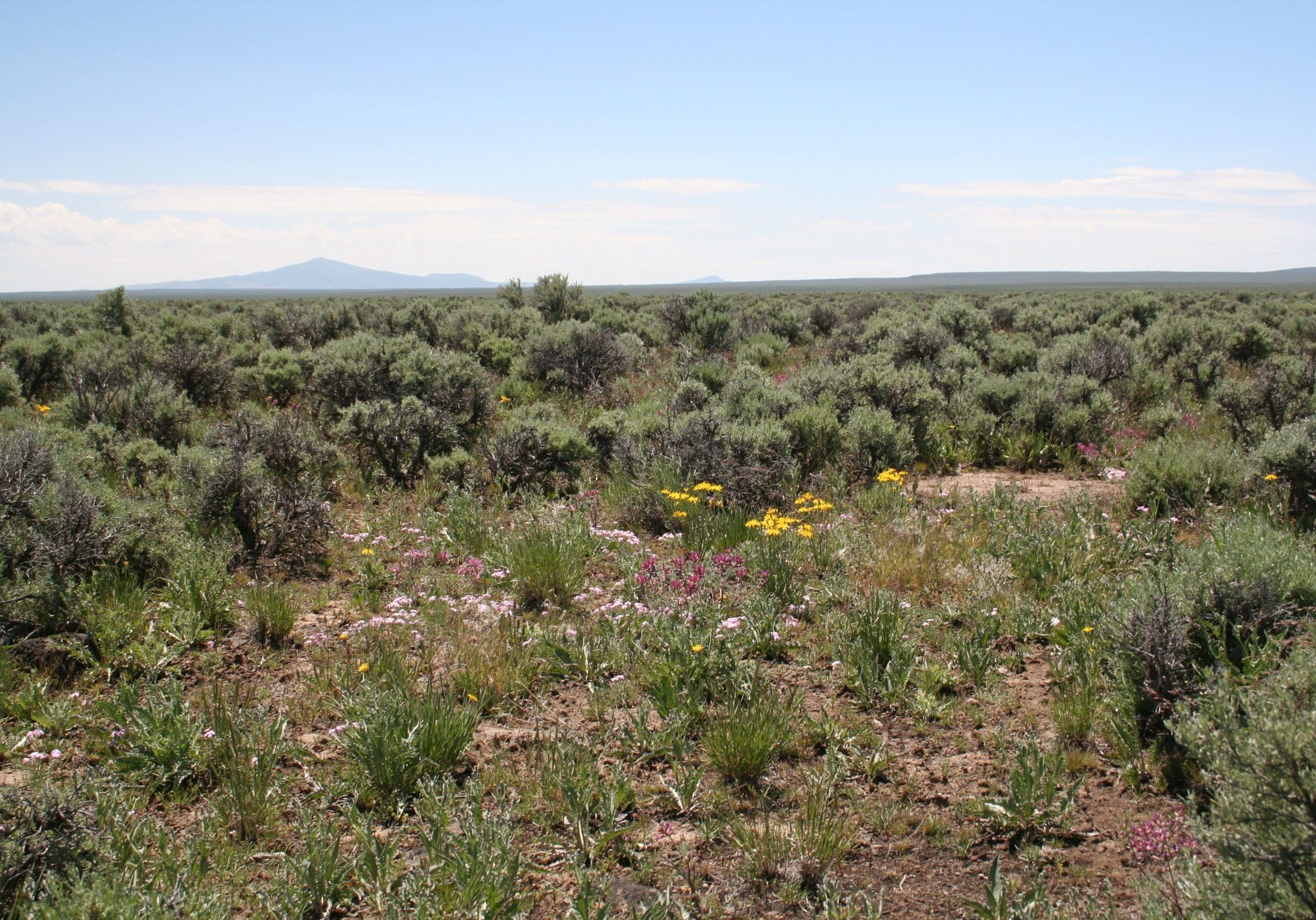
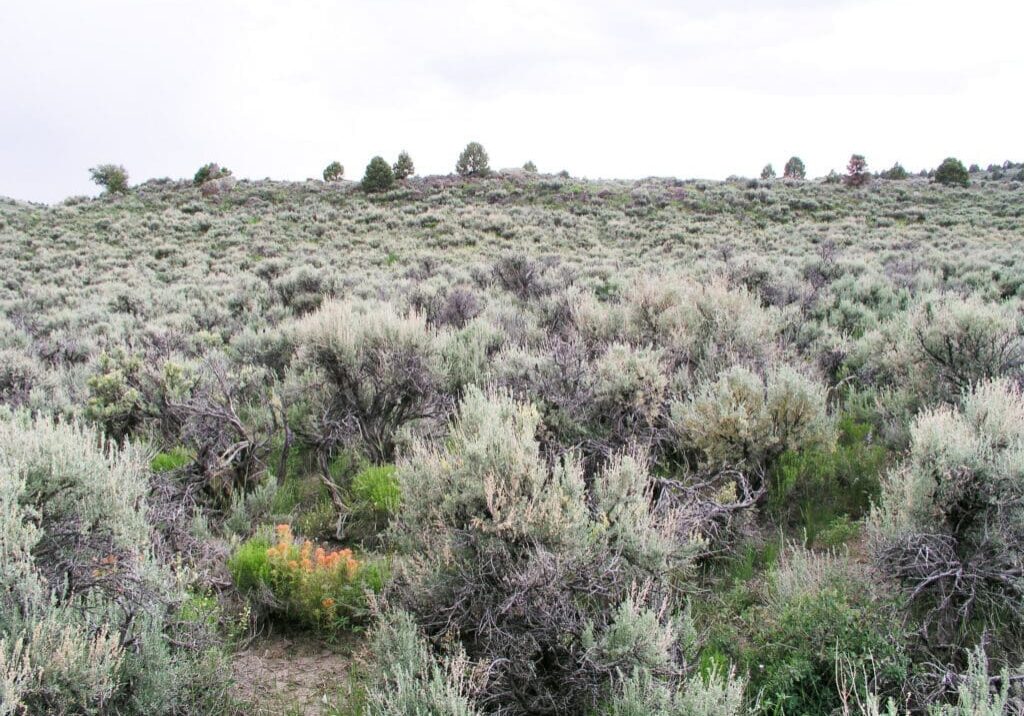
Wyoming big sagebrush
Loamy 10-12 inches
Mountain big sagebrush
Loamy 12-14 inches
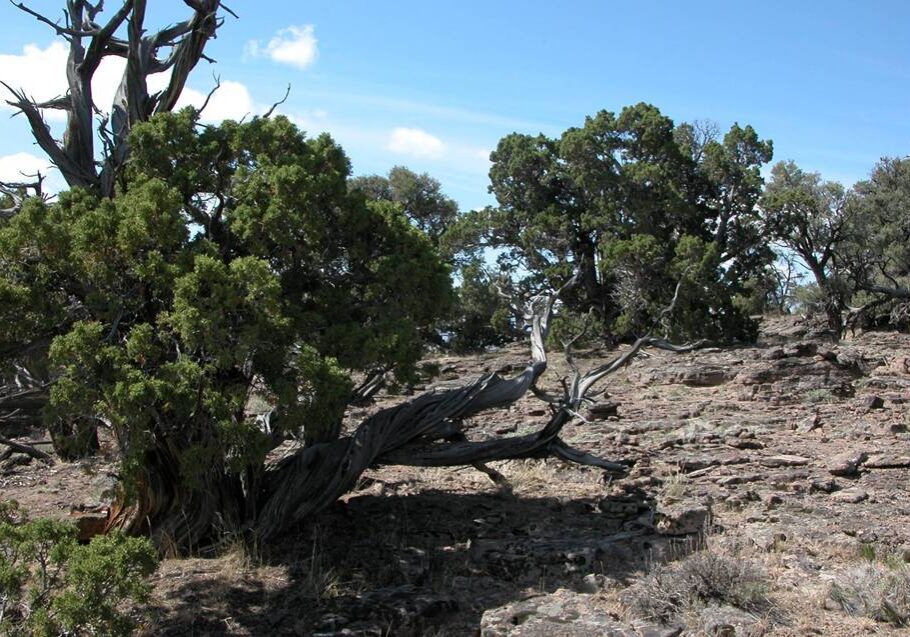
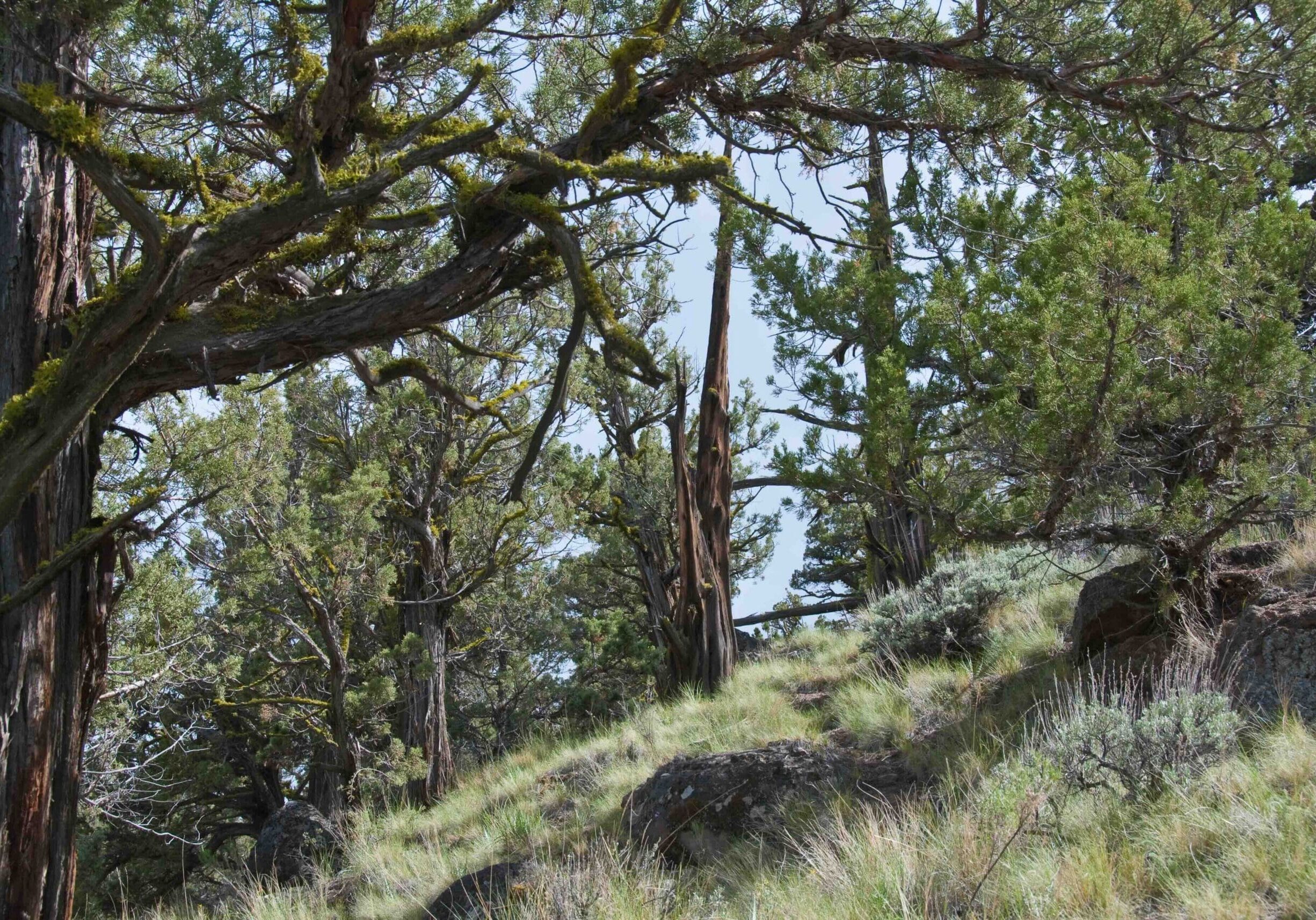
Old-growth Utah juniper
10-12 inches
Old-growth western juniper
14-20 inches
Example of a State and Transition Model (STM) for a Big Sagebrush Ecological Site Type (Adapted from Stringham et al. 2015a, b).
The diagram below is typical of an STM and includes the following elements.
- Potential ecological states (persistent plant communities) are shown in the large boxes.
- Phases (successional stages) within the states are shown in the smaller boxes within the states.
- “T” indicates a transition to an alternative state.
- “R” indicates transition back to a previous state due to restoration or other management intervention.
Generalized Big Sagebrush State and Transition Model (STM)
Soils are loamy and precipitation is 10 to 14 inches per year. These ecological types have the potential for encroachment of pinyon and juniper (PJ) trees and invasion by non-native annual grasses and forbs.
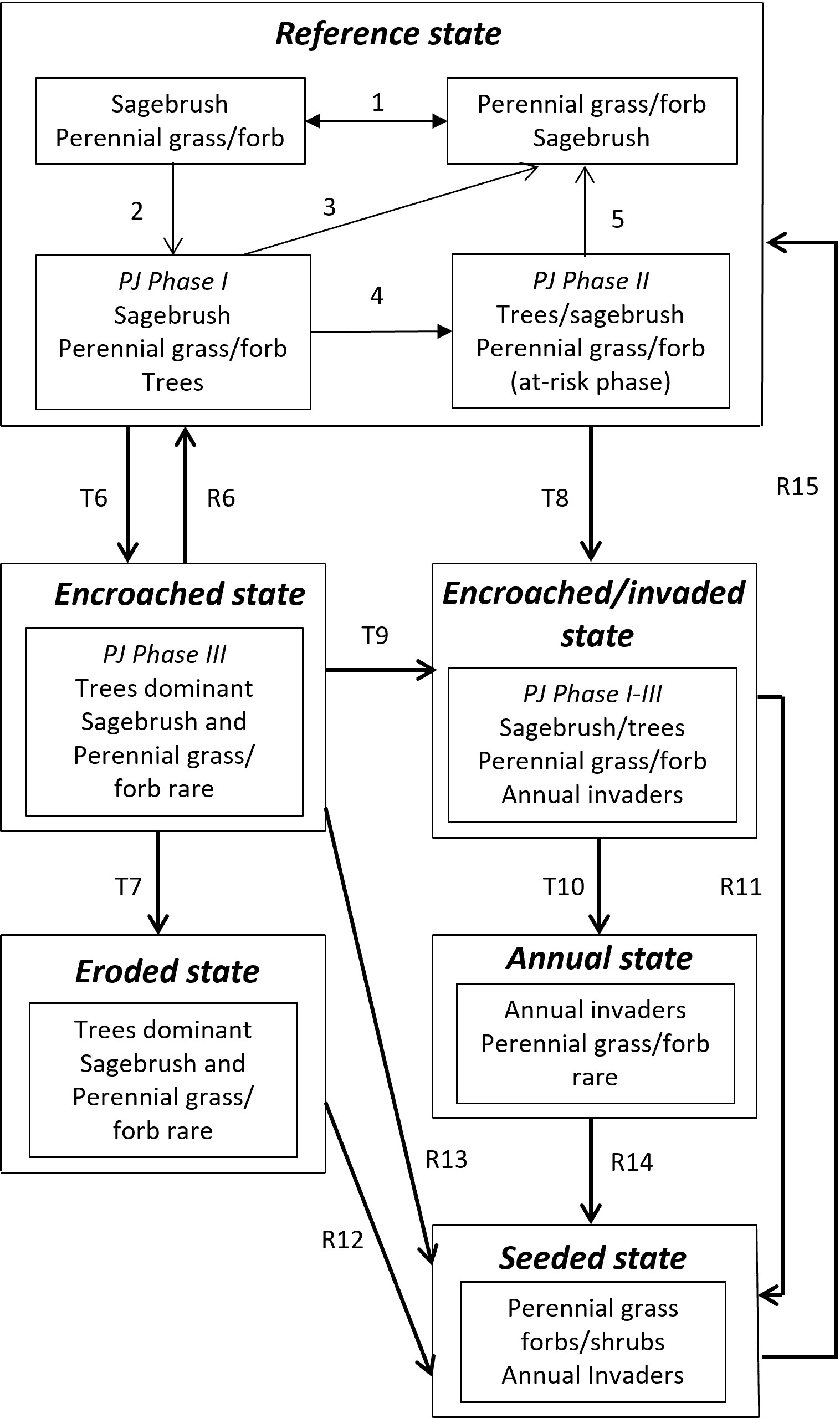
Explanation of Big Sagebrush STM States and Phases within States
Reference state – Shows transitions among phases (1-5) expected with periodic fire. Phase II encroached shrubland is a phase at risk of transitioning to a less desirable ecological state.
- In the reference state, perennial grasses and forbs are sufficient to promote recovery following disturbances like wildfire that result in mortality of the dominant shrubs and encroaching trees.
Encroached state – Phase III encroached shrubland. Primarily younger trees but may include some old-growth trees.
Eroded state – Phase III encroached shrubland experiencing active soil erosion.
Invaded state – State invaded by non-native annual grasses and forbs. This state can occur with or without pinyon and juniper (PJ) encroachment. Risk of invasion by non-native annual grasses is higher on warmer and drier ecological sites than on cooler and moister sites due to lower resistance to invasion.
Seeded state – State resulting from seeding treatments. Seeding can result in permanent conversion to introduced species depending on the species seeded.
Differences in Species Composition in Great Basin Big Sagebrush ESDs
- Lower elevation, warmer and drier (10-12 inches annual precipitation) sites - typically characterized by Wyoming or basin big sagebrush (Artemisia tridentata ssp. wyomingensis or tridentata), bluebunch wheatgrass (Pseudoroegneria spicata), Thurber’s needlegrass (Achnatherum thurberianum), Indian ricegrass (Achnatherum hymenoides), and Sandberg bluegrass (Poa secunda).
- Higher elevation, cooler and moister (12-14 inches annual precipitation) sites - typically characterized by mountain big sagebrush (A. t. ssp. vaseyana), antelope bitterbrush (Purshia tridentata), bluebunch wheatgrass, and Idaho fescue (Festuca idahoensis).
Example of a State and Transition Model (STM) for an Old-Growth Pinyon and/or Juniper Ecological Site Type (Adapted from Stringham et al. 2015a, b, 2019).
The diagram below is typical of an STM and includes the following elements.
- Potential ecological states (persistent plant communities) are shown in the large boxes.
- Phases (successional stages) within the states are shown in the smaller boxes.
- “T” indicates a transition to an alternative state.
- “R” indicates transition back to a previous state due to restoration or other management intervention.
Generalized Old-Growth Pinyon and/or Juniper STM
Sites are typically located on ridge tops or steeper slopes, soils are coarse or rocky and may have a high percentage of clay, sand, or calcium carbonate. Precipitation ranges from 10 to 20 inches per year depending on ecoregion and species.
Large, downed wood and stumps of old-growth trees can help identify old-growth sites after disturbances such as wildfire or tree harvesting, which was common in the mining era.
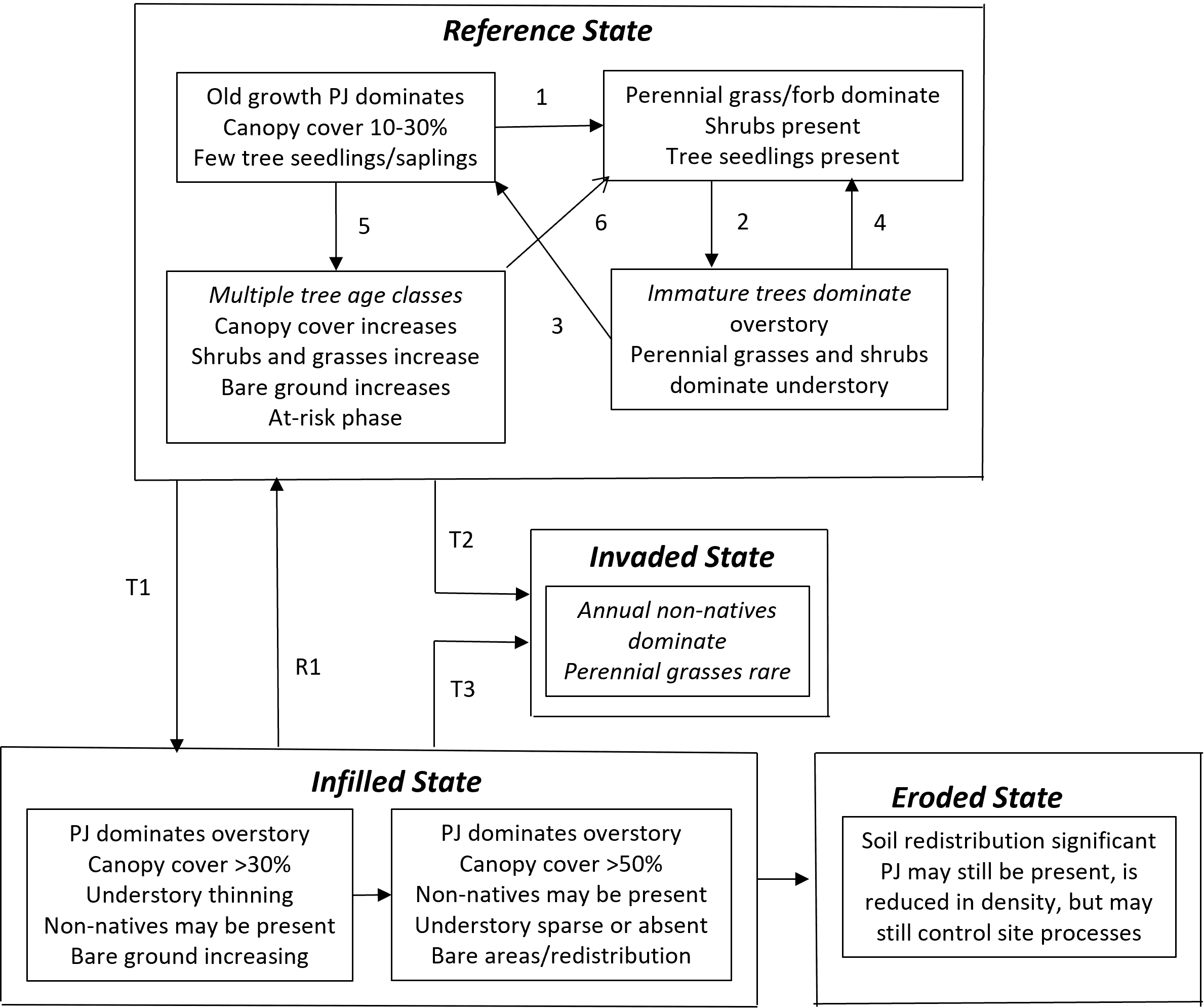
Explanation of STM States and Phases within States
Reference state – Transitions occur due to succession following disturbances that remove trees. Phases within the reference state are (1) perennial grass and forb dominance, (2) immature tree dominance, and (3) old-growth tree dominance. Infilling of old-growth dominated areas can result in a phase at risk (5). Disturbances that remove trees cause areas with immature trees or multiple age classes to transition to perennial grass and forb dominance (4, 6).
Infilled tree state – Time and lack of disturbance allow trees to dominate; inappropriate grazing management can favor shrub and tree dominance.
Eroded state – Soil erosion occurs over time due to mortality of understory vegetation. This state is most likely in Utah juniper and singleleaf pinyon ecological sites; freezing and thawing, soil crusting (hardening), and soil impermeability are causal factors.
Invaded state – Crown fire can result in invasion. Invasion is more likely following fires where tree cover and fire severity were high and on warmer and drier ecological sites due to lower resistance to invasion.
Differences in Species Composition in Old-Growth Pinyon and Juniper ESDs
- Lower elevation, warmer and drier (10-12 inches annual precipitation) sites - Utah juniper dominant, associated with Wyoming big sagebrush and black sagebrush (Artemisia nova), bluebunch wheatgrass, Thurber’s needlegrass, Indian ricegrass, and Sandberg bluegrass.
- Higher elevation, cooler and moister (14-20 inches annual precipitation) sites - western juniper or singleleaf pinyon dominant depending on ecoregion. Associated species include low sagebrush, mountain big sagebrush, mountain mahogany (Cercocarpus ledifolius), bluebunch wheatgrass, and Idaho fescue.
Examples of Alternative States for Old-Growth Western Juniper, Utah Juniper, Singleleaf Pinyon and Twoneedle Pinyon Ecological Sites
Western Juniper
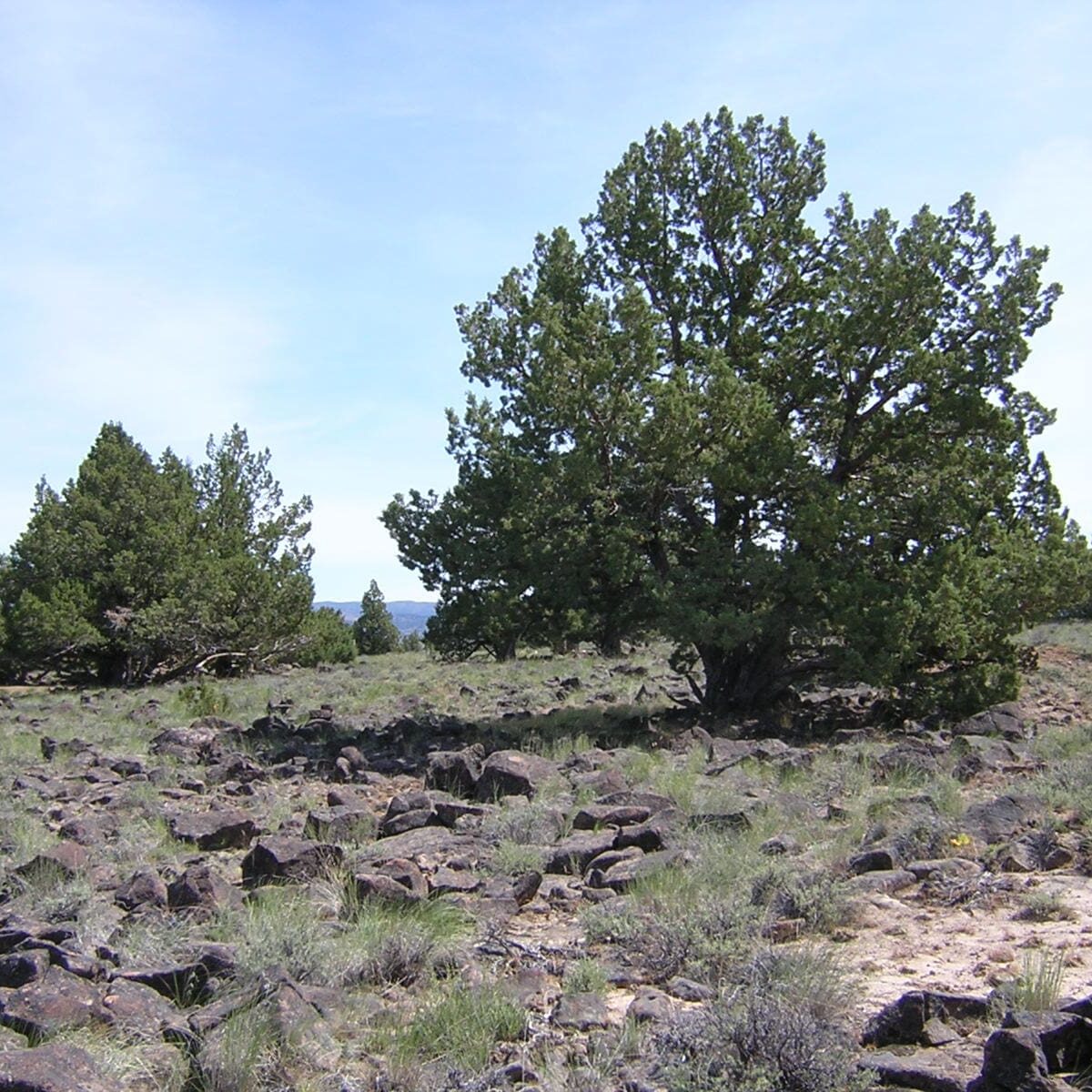
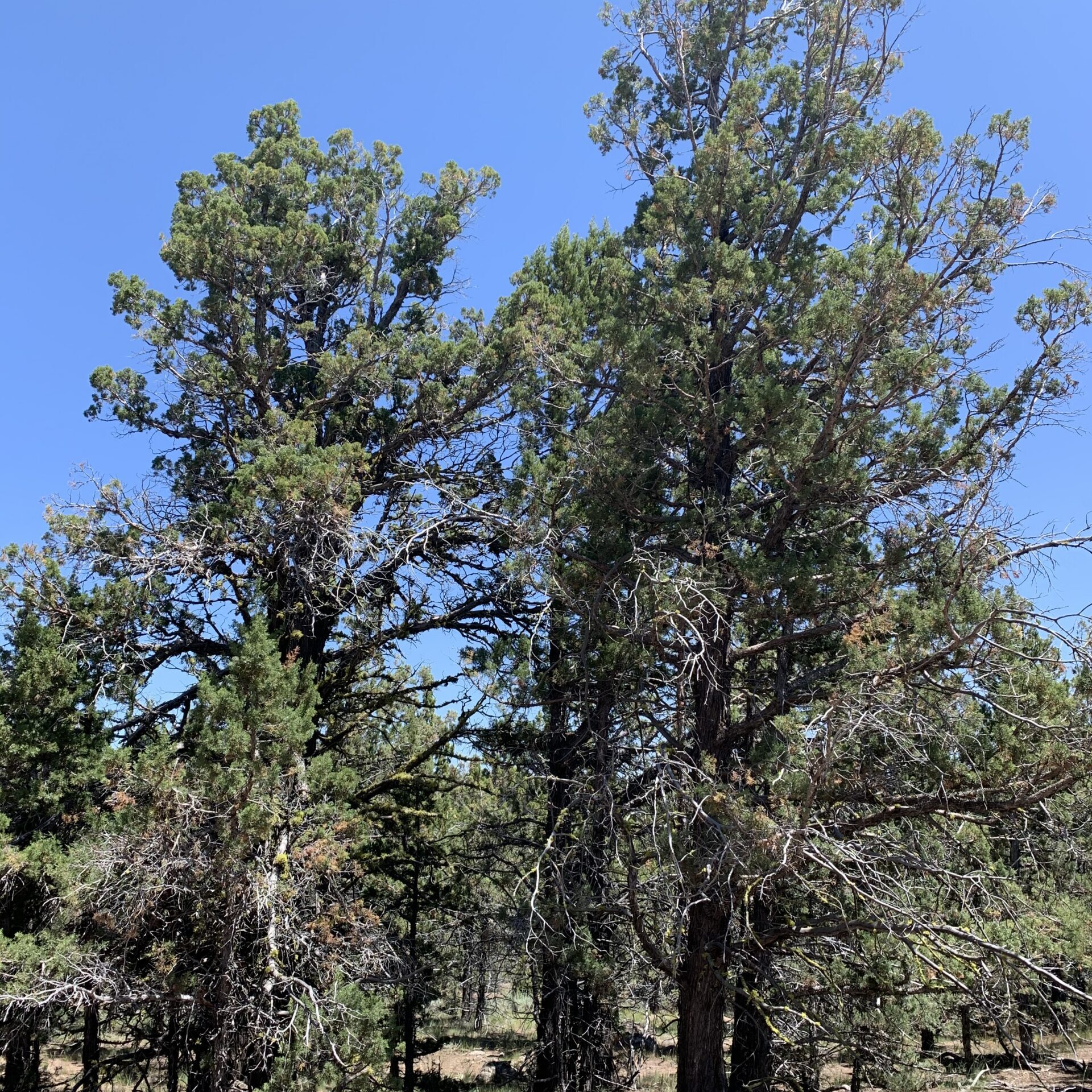
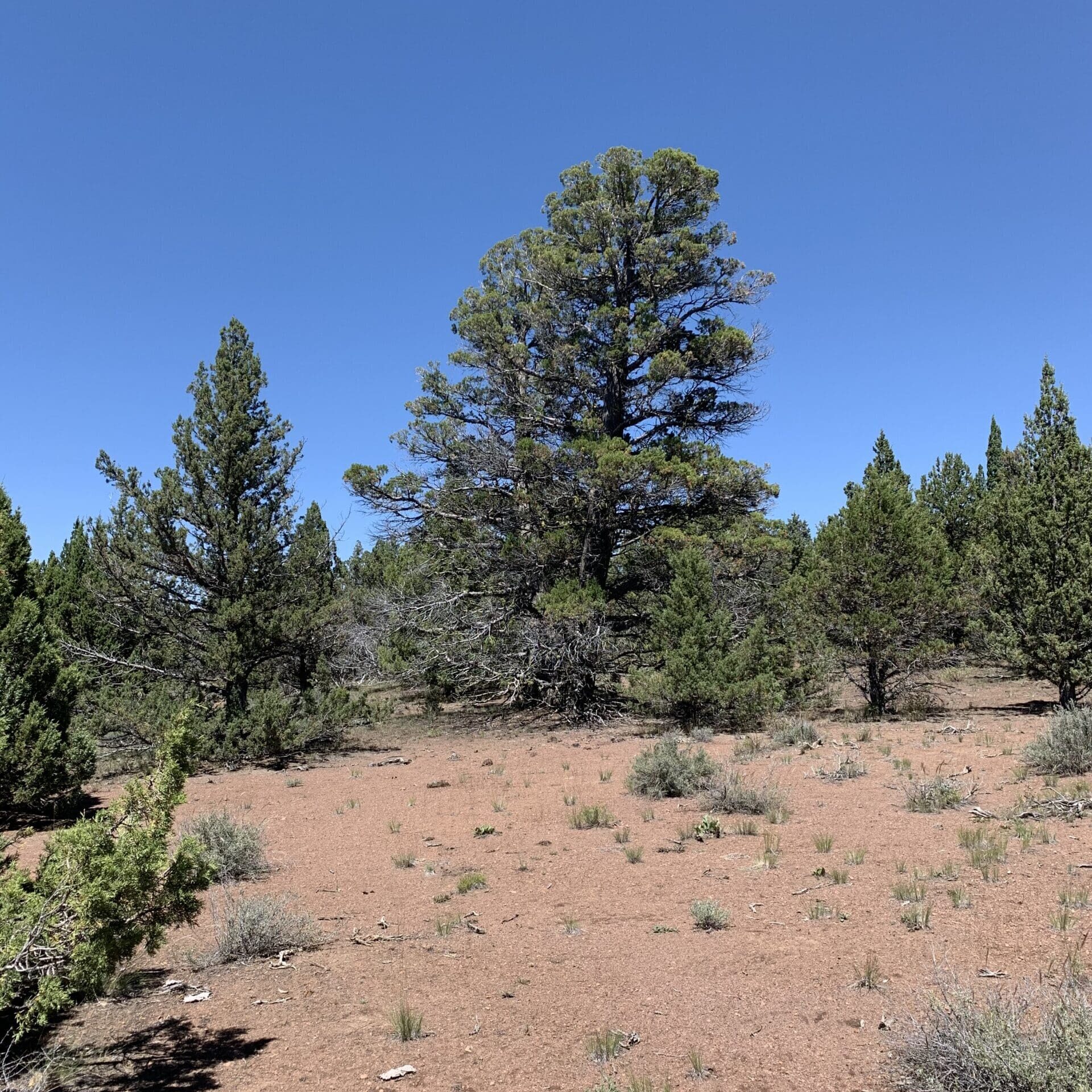
Reference State
Old-Growth Dominant
Old-Growth
Infilled State
Old-Growth
Infilled and Eroding
Utah Juniper
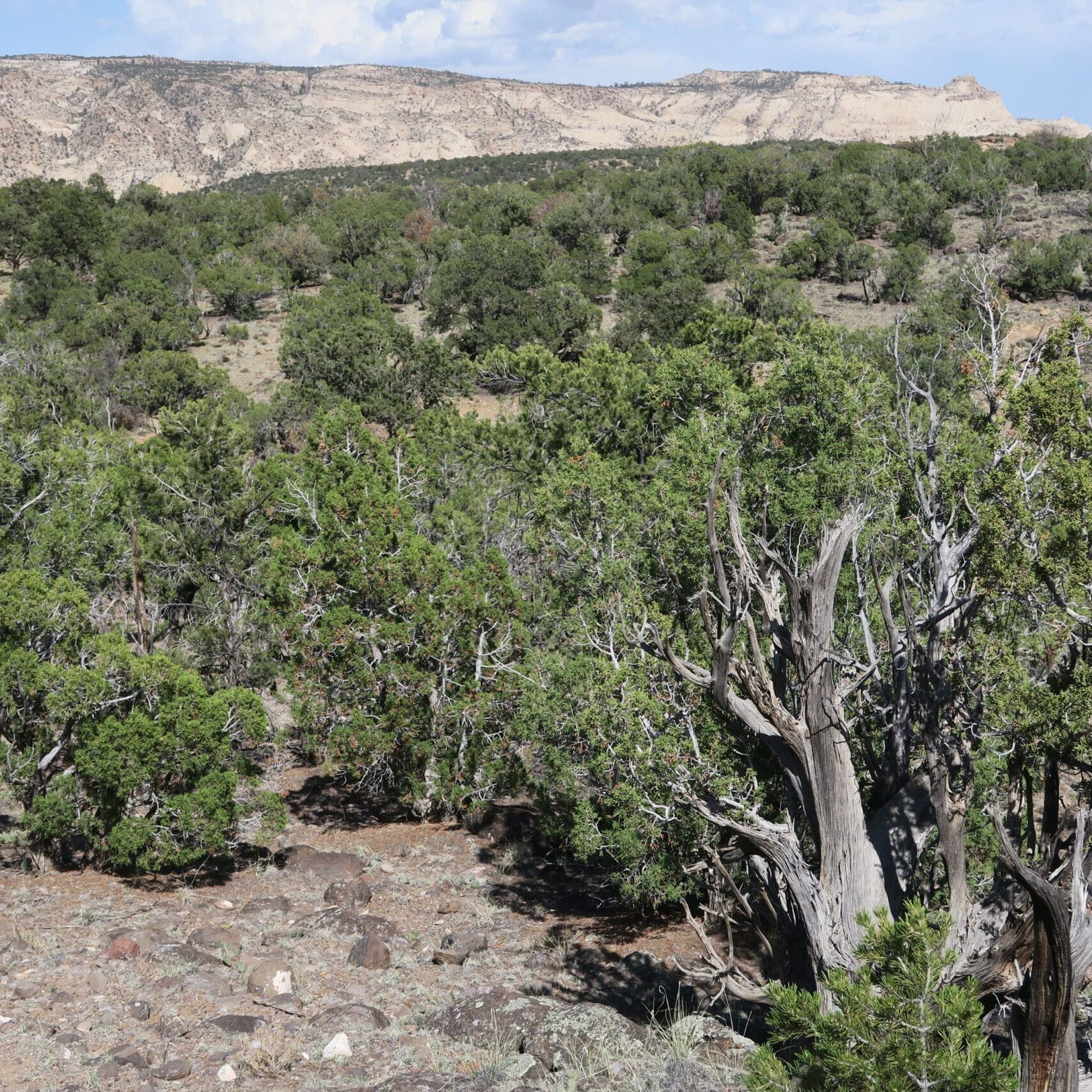
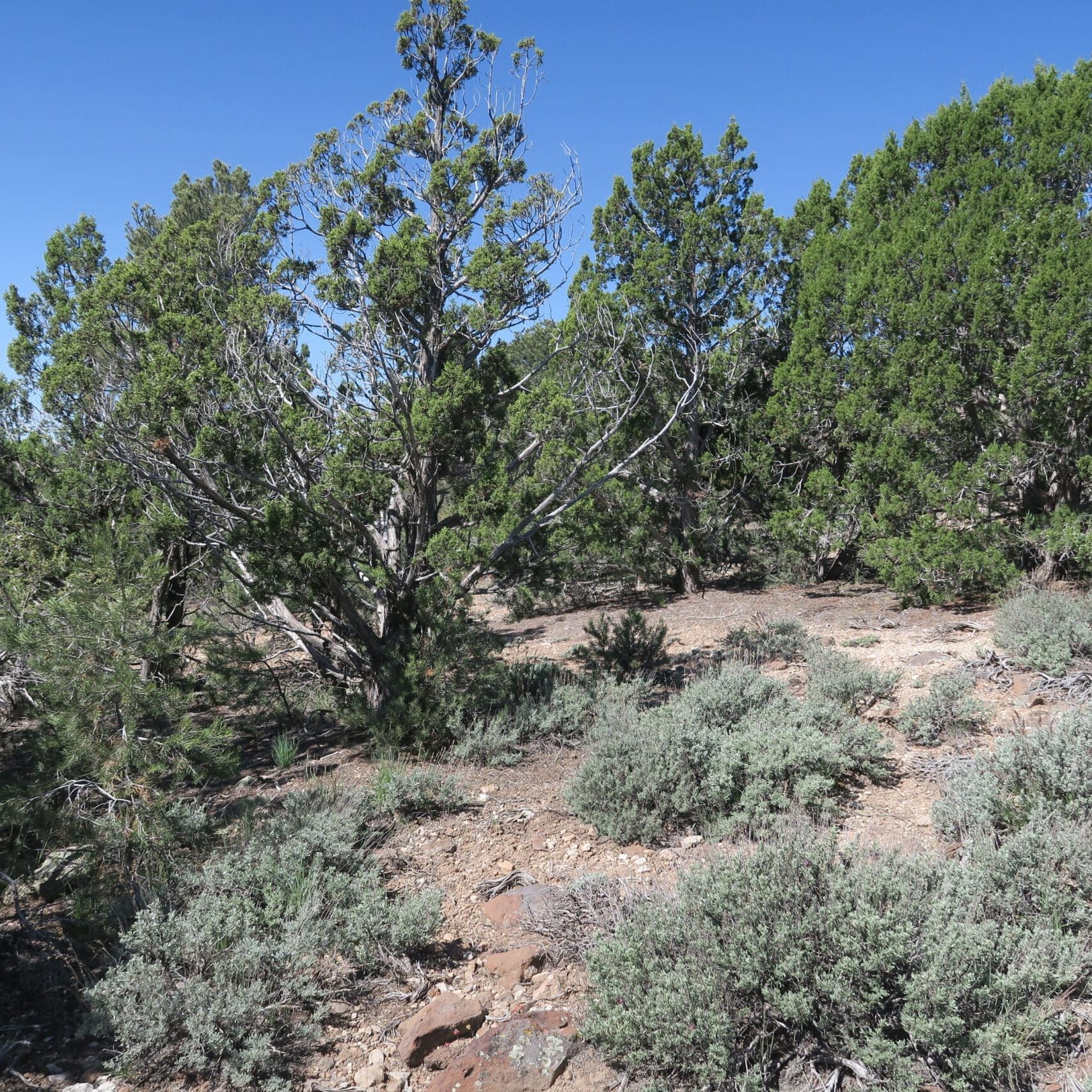
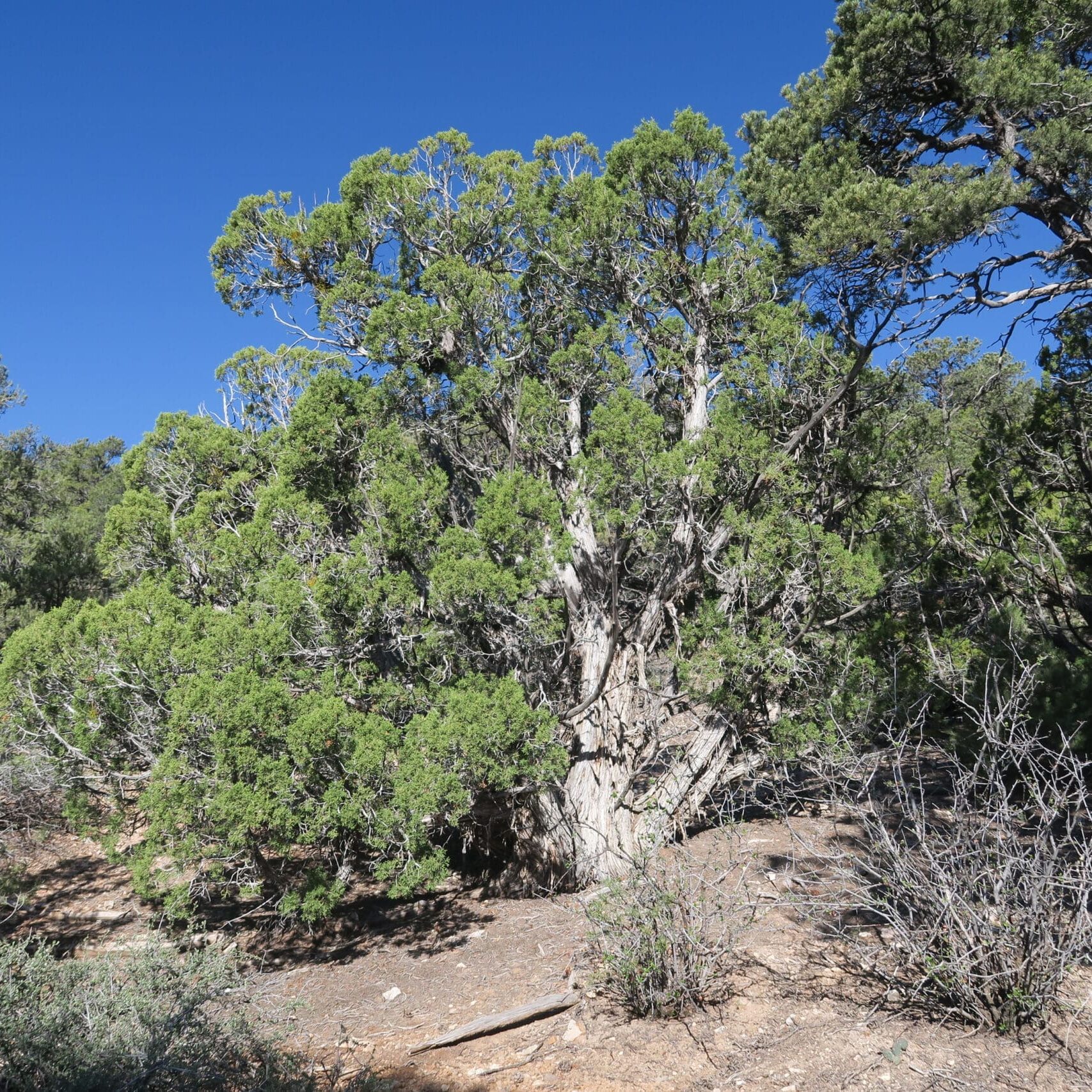
Reference State
Old-Growth Dominant
Old-Growth
Infilled State
Old-Growth
Infilled and Eroding
Utah Juniper
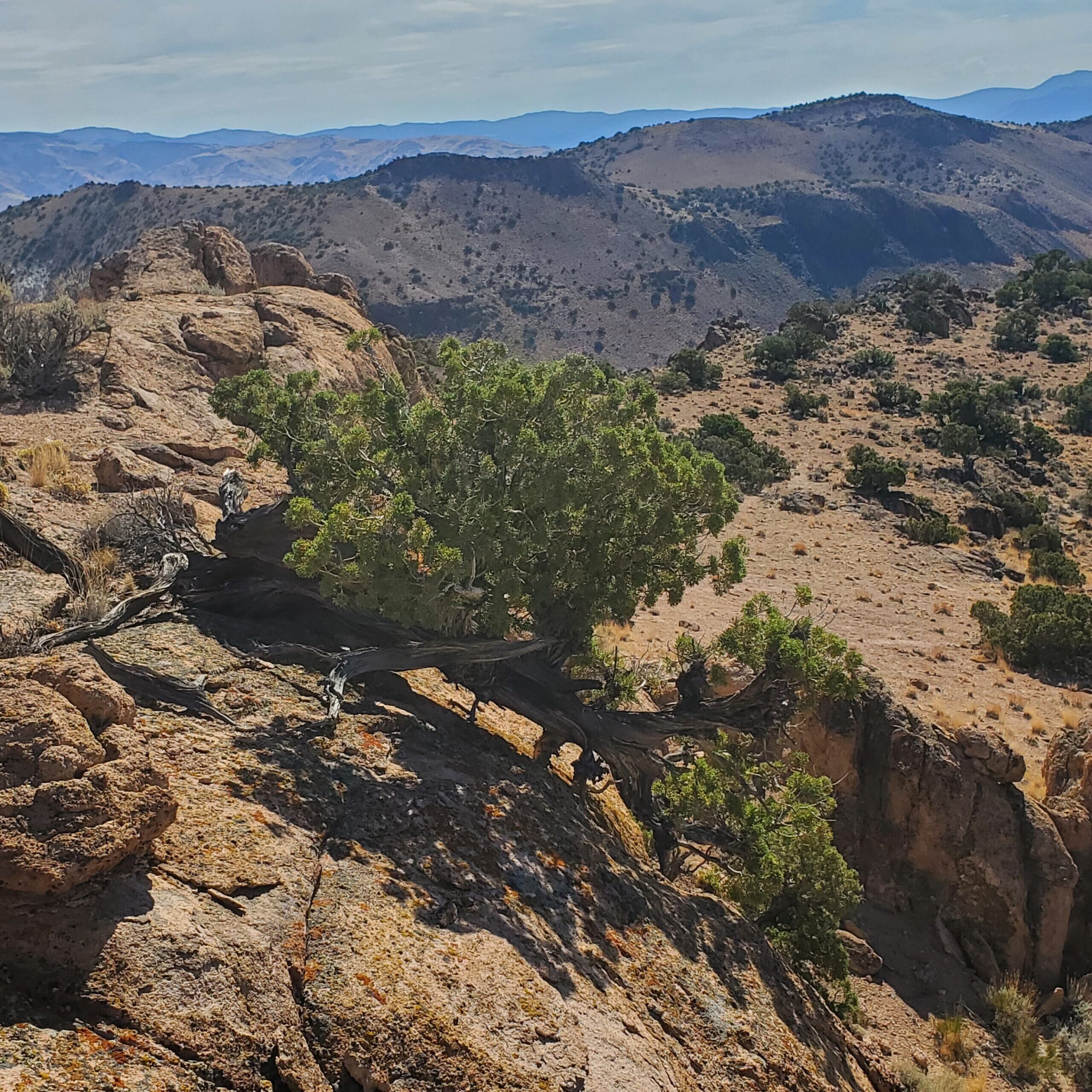
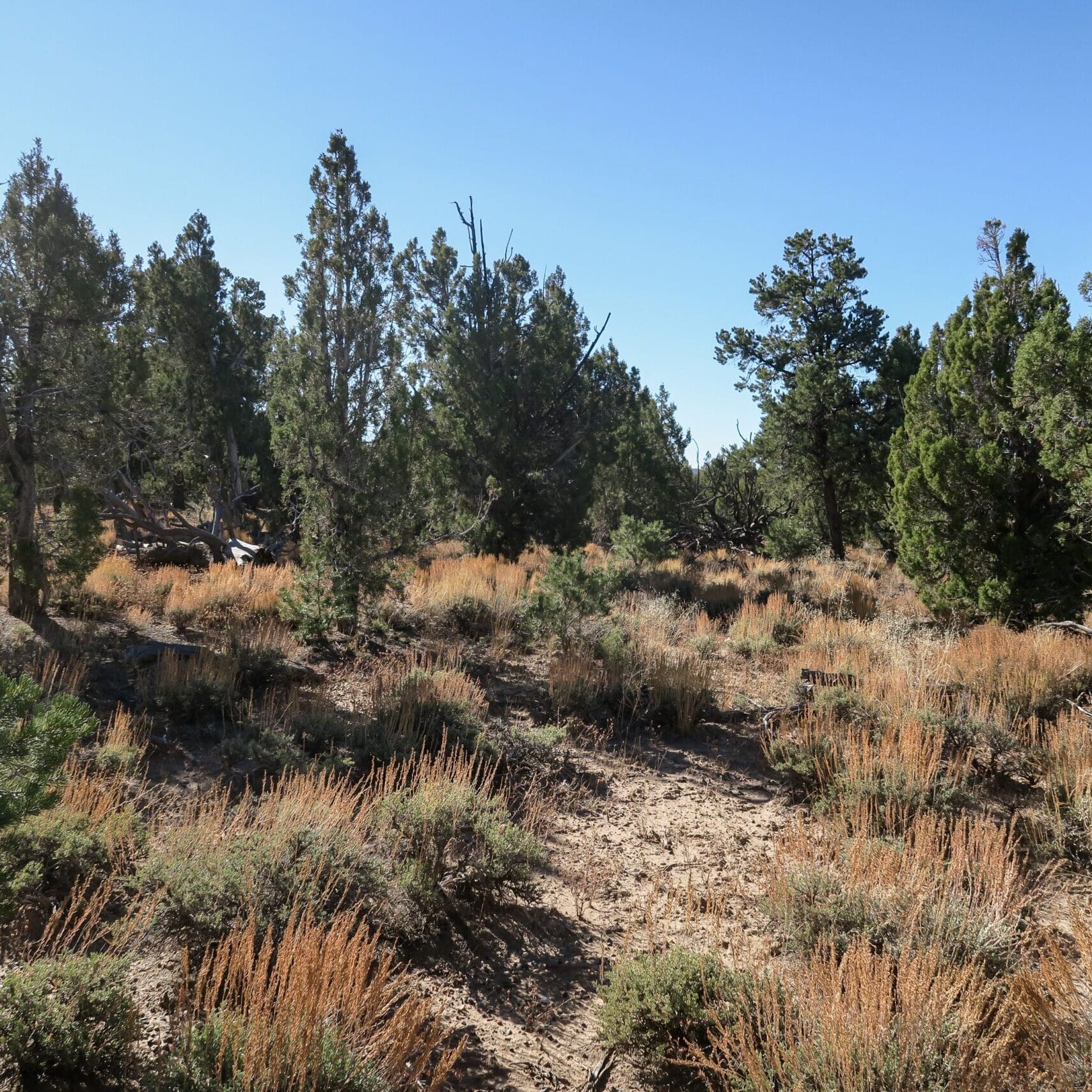
Reference State
Old-Growth Dominant
Old-Growth
Infilled State
Singleleaf Pinyon
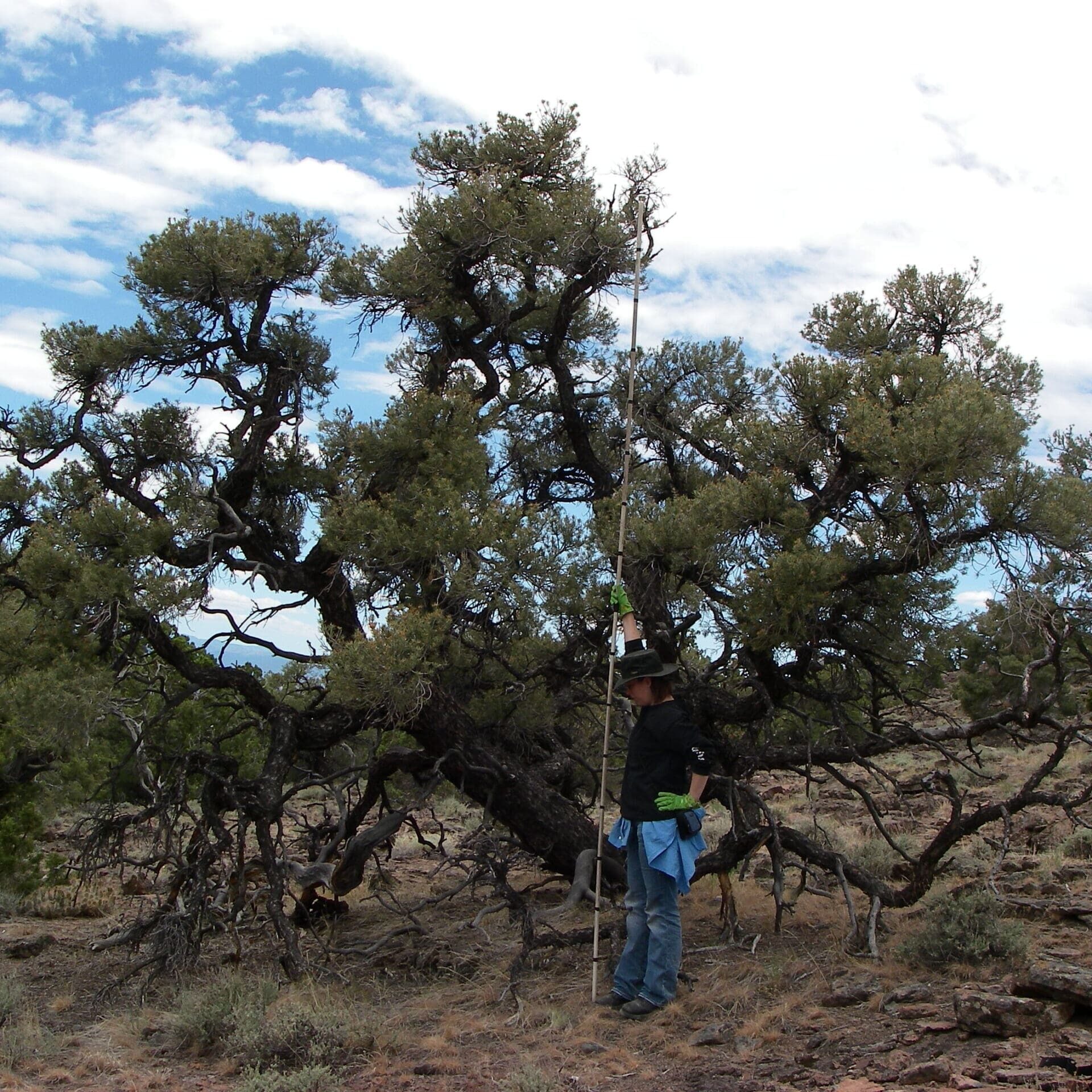
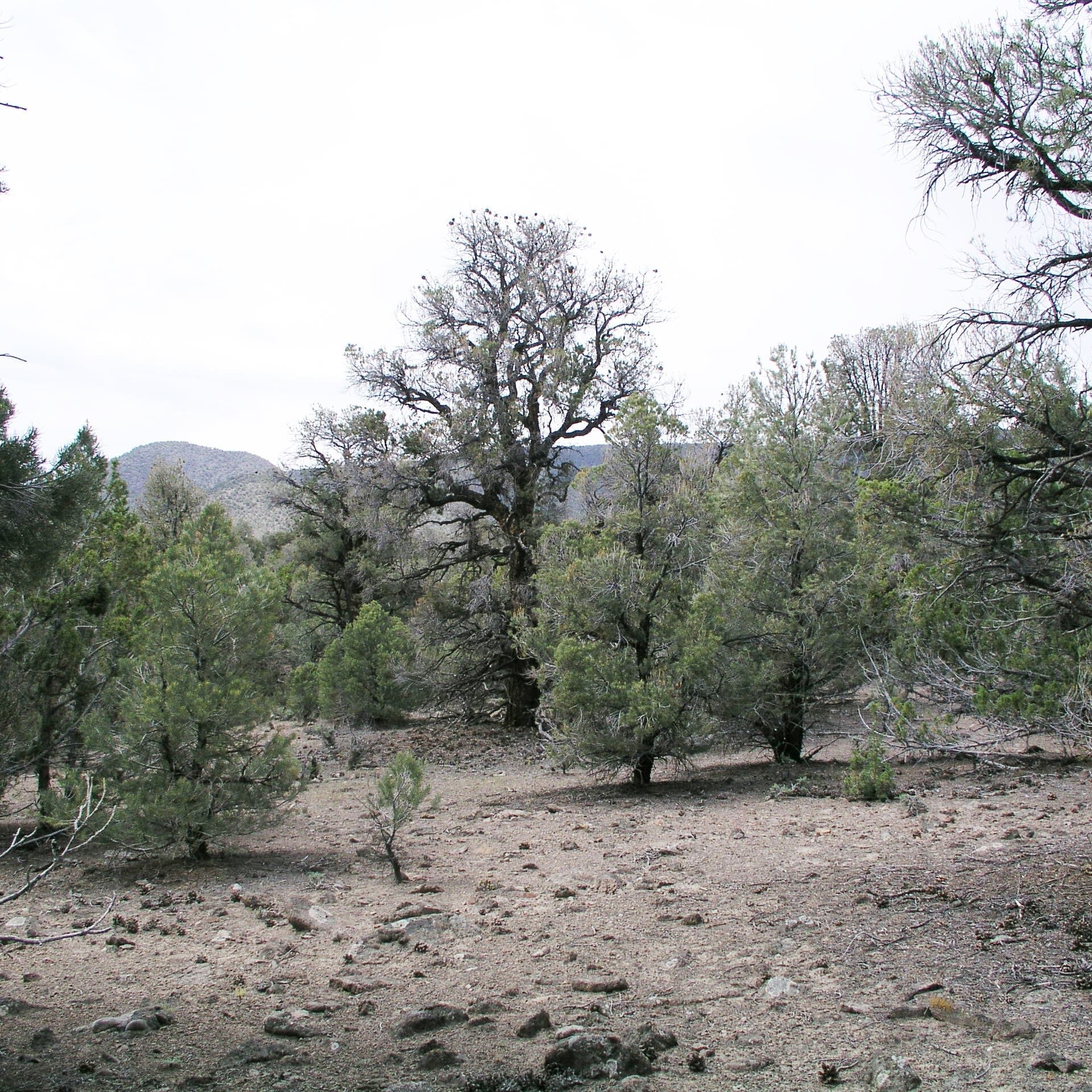
Reference State
Old-Growth Dominant
Old-Growth
Infilled State
Twoneedle Pinyon
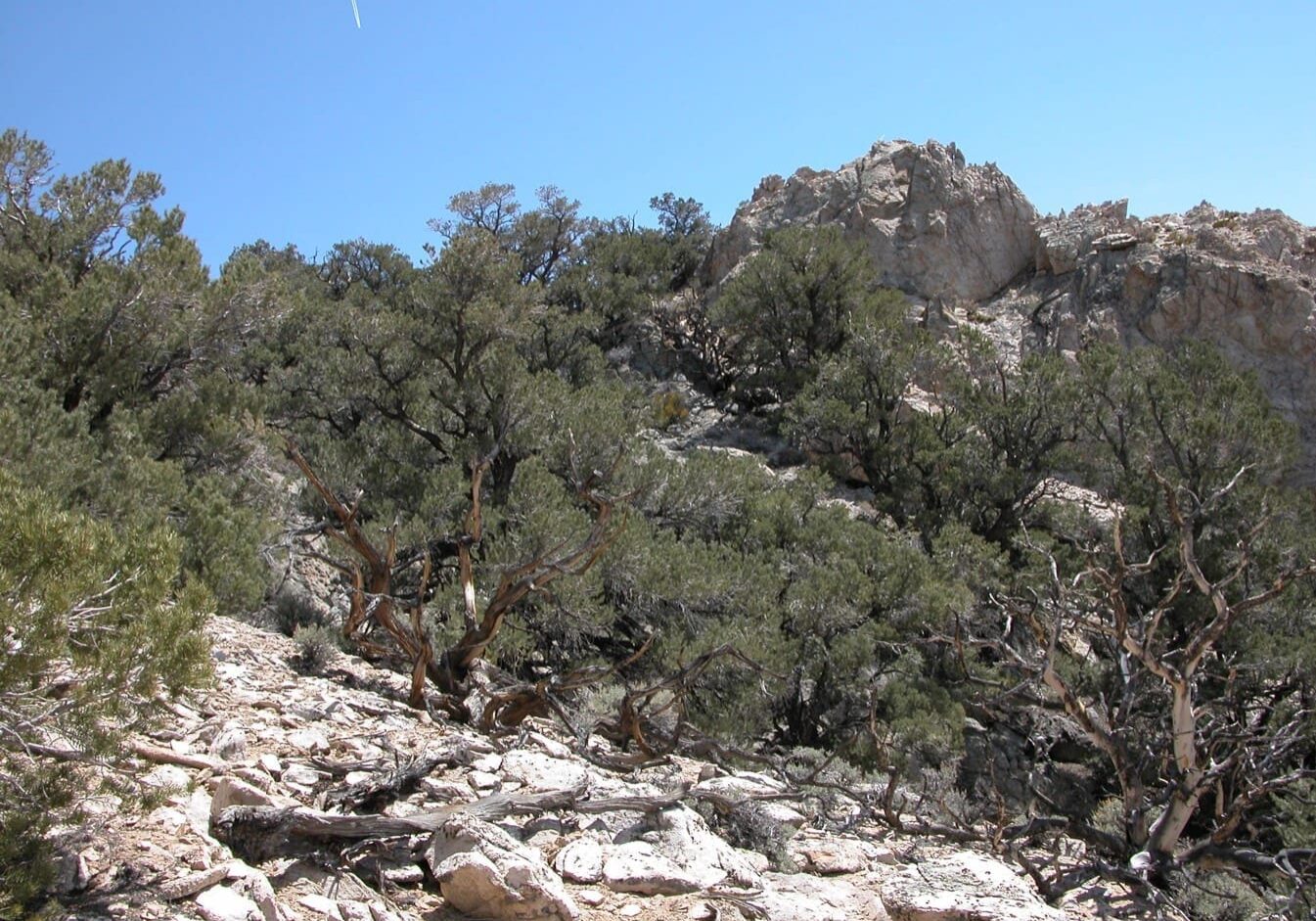
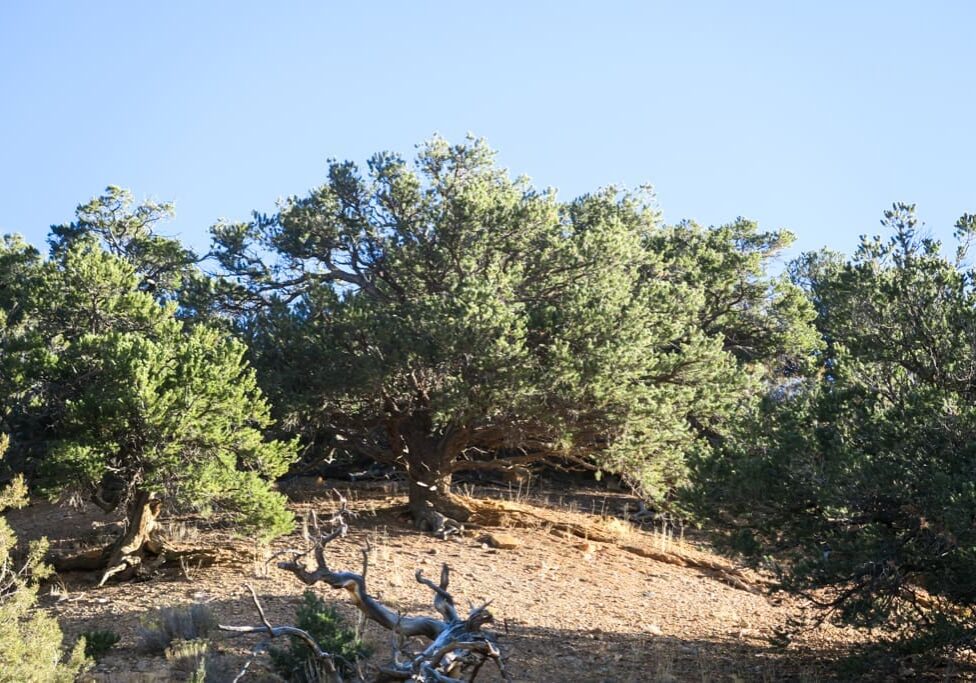
Reference State
Old-Growth Dominant
Old-Growth
Infilled State
10 - Management Strategies for Old-Growth Woodlands
Reducing the risk of uncharacteristic, high-severity fire in old-growth woodlands can preserve these unique, high-value ecosystems and the cultural values and habitat they provide. Developing effective management strategies for old growth requires defining the objectives and determining the most appropriate actions. It also requires knowledge of the type of vegetation and fuel structure, and the expected effects of potential treatments (Miller et al. 2019; Chambers et al. 2024a, b).
Vegetation Type and Fuel Structure
Warm and Dry Ecological Sites
- Lower productivity and fuel loads
- Lower resilience (recovery potential) following more severe treatments
- Lower resistance to invasion by non-native annuals
Cool to Cold and Moist Ecological Sites
- Potential for higher productivity and fuel loads
- Typically higher resilience (recovery potential) than warm and dry sites following more severe treatments
- Higher resistance to invasion by non-native annuals
Potential Treatments
- Fire behavior in old-growth woodlands can be reduced by selective thinning of younger trees where infill is occurring.
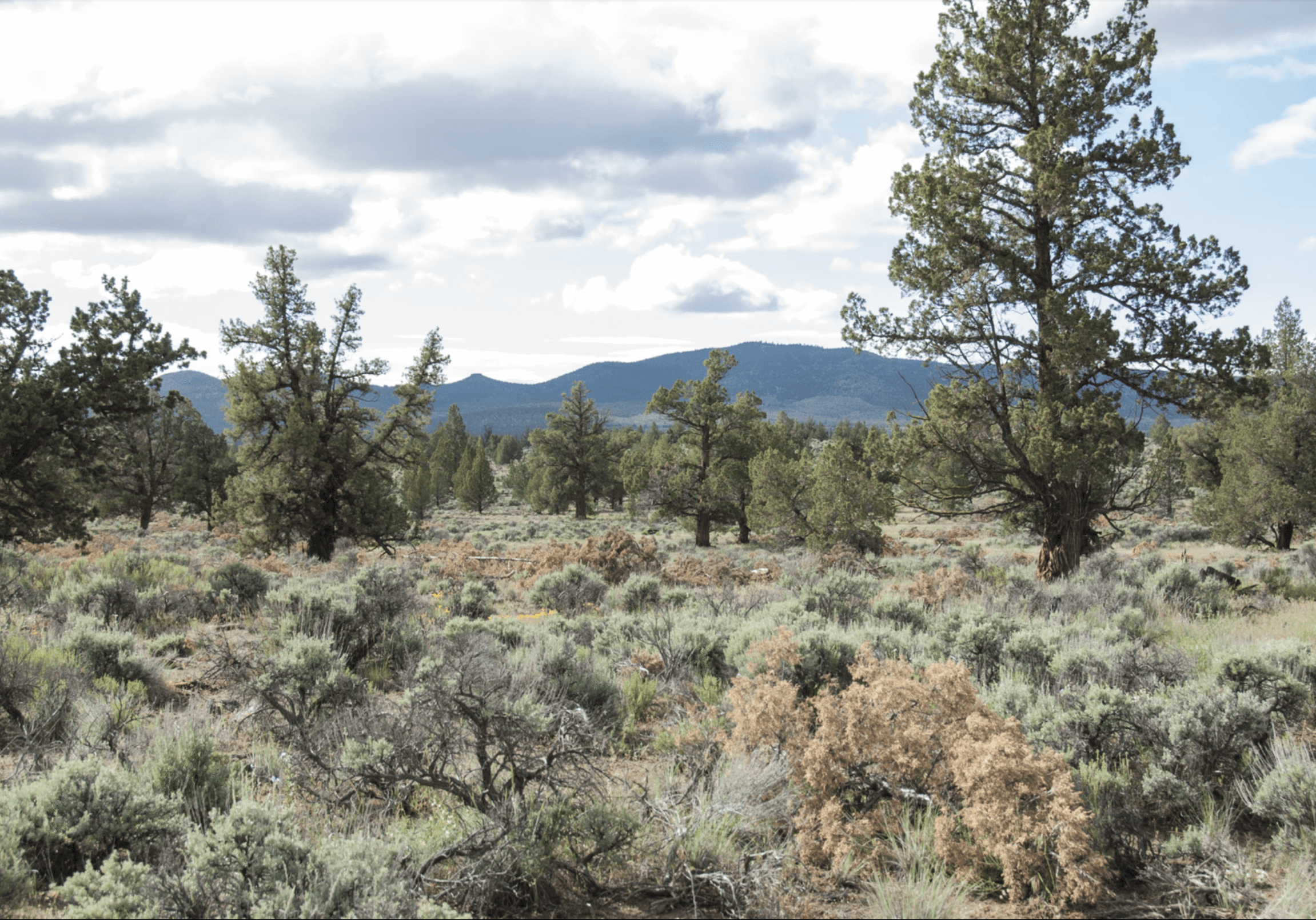
- Selective thinning of younger trees in old-growth woodlands with infilling can also decrease competition for soil water and reduce drought stress in older trees (Fig. 13).
- Cutting and burning individual trees, cutting and pile burning, or mastication with a small Bull Hog will likely be most successful in areas with substantial infilling. Ideally, piles should be relatively small and mastication depths no greater than 10 inches.
- When implementing prescribed fire in or near old growth, it is important to move the cut trees away from the old trees before they are burned, otherwise they may act as ladder fuels and carry fire into the bark and crown of the old trees.
- When using pile burning, it is important to burn cut trees shortly after removal and preferably during the winter months (November through March) to eliminate breeding habitat for pests that thrive in stressed or cut woody material, such as pinyon Ips (Ips confusus) beetles.
- Increases in herbaceous species (native or non-native annual species) following thinning treatments may elevate the risk of surface fire spread.
- Seeding with grasses, forbs, and/or shrubs should be considered where understory grasses, forbs, and/or shrubs are depleted. Seeding is required where there is a risk of non-native annual grass and forb invasion. Restoration to a native community or conversion to the seeded state will depend on the choice of seeded species.
- Retaining some younger trees will ensure persistence of the old-growth woodland.
- Monitoring the site after treatment helps to ensure that objectives are met and determine if follow-up treatments are needed to address issues such as non-native annual grass and forb invasion that may have been caused by the treatment.
Considerations for Mature Woodlands and Encroached Shrublands with Mature Trees
Management strategies for mature woodlands and encroached shrublands with mature trees are similar to those for old-growth woodlands. Mature woodlands are characterized by a regenerating old-growth woodland, as indicated by the presence of old-growth stumps and downed trees (Waichler et al. 2001; Miller et al. 2014). Phase III encroached shrubland can also be characterized by stands of mature trees, where most trees established after settlement (Miller et al. 2008). These types of encroached shrublands are most common on the Colorado Plateau and other areas with relatively high summer precipitation in part because historic burn probabilities were lower in these areas (Chambers et al. 2019).
- Regenerating old-growth woodlands usually require no treatment unless infilling and stand closure are occurring and the understory vegetation is being out-competed by infilling trees.
- In Phase III encroached shrublands where stand closure is occurring, selective thinning as described for old-growth woodland is usually the best option. These sites typically have insufficient understory to recover without active restoration (seeding, weed control) after treatment. In addition, larger scale removals may not be operationally feasible due to high tree biomass.
- Although large-scale tree removals have been conducted in these areas with masticators or similar equipment, longer-term outcomes are uncertain. Warmer and drier sites are at risk of converting to non-native annuals, while cooler and moister sites are at risk of converting to introduced, non-native perennial grasses if seeding mixes contain these species.
- Cut and leave treatments in Phase III encroached shrublands reduce the risk of crown fire, but increase downed woody fuels, which can result in higher surface fire severity.
Treatment Location, Type, and Configuration
Landscape appearance, cultural values, use by wildlife, and public perception are all affected by treatment location, type, and configuration. Important considerations are:
- Managing those areas valued by Native Americans for ecological resilience.
- Retaining patches of trees that contain old growth where they occur in shrubland ecological types.
- Maintaining habitat for species that occur in old-growth woodlands, shrublands, and the ecotones between them (Fig. 14).
- Managing for landscape pattern and aesthetics across ecotones between old-growth woodlands and encroached shrublands.
11 - Acknowledgements
Funding was provided through the USDA FS Rocky Mountain Research Station and Great Basin Fire Science Exchange. The findings and conclusions in this publication are those of the authors and should not be construed to represent any official USDA or U.S. Government determination or policy. The authors thank Peter Weisberg for contributing to the content of the guide, Brad Washa, Ali Paulson, Aryn Hadyn, and Génie MontBlanc for helpful reviews, and Corey Gucker for design and layout. Photographs were provided by the authors unless otherwise noted.
12 - References
Abatzoglou, J.T.; Williams, A.P. 2016. Impact of anthropogenic climate change on wildfire across western US forests. PNAS. 113 (42): 11770-75.
Baisan, C.H.; Swetnam, T.W. 1990. Fire history on a desert mountain range: Rincon Mountain Wilderness, Arizona, USA. Canadian Journal of Forest Research. 20(10): 1559-1569.
Barney, M.O.; Frischknecht, N.C. 1974. Vegetation changes following fire in the pinyon-juniper type of west-central Utah. Journal of Range Management. 27(2): 91-96.
Beardsley, D.; Warbington, R. 1996. Old growth in northwestern California national forests. Res. Pap. PNW-RP-491. Portland, OR: U.S. Department of Agriculture, Forest Service, Pacific Northwest Research Station. 47 p.
Chambers, J.C.; Brooks, M.L.; Germino, M.J.; Maestas, J.D.; Board, D.I.; Jones, M.O.; Allred, B.W. 2019. Operationalizing resilience and resistance concepts to address invasive grass-fire cycles. Frontiers in Ecology and Evolution. 7: 185.
Board, D.I.; Chambers, J.C.; Miller, R.F.; Weisberg, P.J. 2018. Fire patterns in piñon and juniper land cover types in the Semiarid Western United States from 1984 through 2013. RMRS-GTR-372. Fort Collins, CO: U.S. Department of Agriculture, Forest Service, Rocky Mountain Research Station. 57 p.
Bradford, J.B.; Schlaepfer, D.R.; Lauenroth, W.K.; Palmquist, K.A. 2020. Robust ecological drought projections for drylands in the 21st century. Global Change Biology. 26 (7): 3906-3919.
Bunting, S.C.; Strand, E.K.; Kingery, J.L. 2007. Landscape characteristics of sagebrush-steppe/juniper woodland mosaics under various modeled prescribed fire regimes. In: Masters, R.E.; Galley, K.E.M., eds. Proceedings 23rd Tall Timbers Fire Ecology Conference: Fire in grassland and shrubland ecosystems. Tallahassee, FL: Tall Timbers Research Station: 50-57.
Chambers, J.C. 2001. Pinus monophylla establishment in an expanding Pinus‐Juniperus woodland: Environmental conditions, facilitation and interacting factors. Journal of Vegetation Science. 12(1): 27-40.
Chambers, J.C.; Board, D.I.; Roundy, B.A.; Weisberg, P.J. 2017. Removal of perennial herbaceous species affects response of cold desert shrublands to fire. Journal of Vegetation Science. 28(5): 975-984.
Chambers, J.C.; Brooks, M.L.; Germino, M.J.; Maestas, J.D.; Board, D.I.; Jones, M.O.; Allred, B.W. 2019. Operationalizing resilience and resistance concepts to address invasive grass-fire cycles. Frontiers in Ecology and Evolution. 7: 185.
Chambers, J.C.; Miller, R.F.; Brown, J.L.; Barga, S.C.; Boswell, R.; Madsen, M.; Reeves, M.C.; Thacker, V.; Urza, A.K. 2024a. Selecting appropriate vegetation treatments in shrubland and pinyon-juniper ecosystems in a USDA Forest Service wildfire crisis landscape: Evaluating resilience to disturbance and resistance to invasive annual grasses and predicting vegetation response. Gen. Tech. Rep. RMRS-GTR-440. Fort Collins, CO: U.S. Department of Agriculture, Forest Service, Rocky Mountain Research Station. 154 p.
Chambers, J.C.; Strand, E.K.; Ellsworth, L.M.; Tortorelli, C.M.; Urza, A.K.; Crist, M.R.; Miller, R.F.; Reeves, M.C.; Short, K.C.; Williams, C.L. 2024b. Review of fuel treatment effects on fuels, fire behavior, and ecological resilience in sagebrush (Artemisia spp.) ecosystems in the Western US. Fire Ecology. 20(1): 32.
Chambers, J.C.; Vander Wall, S.B.; Schupp, E.W. 1999. Seed and seedling ecology of pinon and juniper species in the pygmy woodlands of western North America. The Botanical Review. 65(1): 1-38.
Cole, K.L.; Fisher, J.F.; Ironside, K.; Mead, J.I.; Koehler, P. 2013. The biogeographic histories of Pinus edulis and Pinus monophylla over the last 50,000 years. Quaternary International. 310: 96-110.
Davis, R.J.; Bell, D.M.; Gregory, M.J.; Yang, Z.; Gray, A.N.; Healey, S.P.; Stratton, A.E. 2022. Northwest forest plan-the first 25 years (1994-2018): Status and trends of late-successional and old-growth forests. Gen. Tech. Rep. PNW-GTR-1004. Portland, OR: U.S. Department of Agriculture, Forest Service, Pacific Northwest Research Station. 82 p.
D’Azevedo, W.L., ed. 1986. Handbook of North American Indians: Great Basin, Vol. 11. Washington, D.C.: Smithsonian Institution. 852 p.
Duniway, M.C.; Benson, C.; Nauman, T.W.; Knight, A.; Bradford, J.B.; Munson, S.M.; Witwicki, D.; Livensperger, C.; Van Scoyoc, M.; Fisk, T.T.; Thoma, D.; Miller, M.E. 2022. Geologic, geomorphic, and edaphic underpinnings of dryland ecosystems: Colorado Plateau landscapes in a changing world. Ecosphere. 13(11): e4273.
Filippelli, S.K.; Falkowski, M.J.; Hudak, A.T.; Fekety, P.A.; Vogeler, J.C.; Khalyani, A.H.; Rau, B.M.; Strand, E.K. 2020. Monitoring pinyon-juniper cover and aboveground biomass across the Great Basin. Environmental Research Letters. 15(2): 025004.
Floyd, M.L.; Colyer, M.; Hanna, D.D.; Romme, W.H. 2003. Gnarly old trees: Canopy characteristics of old-growth piñon-juniper woodlands. In: Floyd, M.L., ed. Ancient piñon-juniper woodlands: A natural history of Mesa Verde Country. Boulder, CO: University Press of Colorado: 11-29.
Gascho Landis, A.M.; Bailey, J.D. 2006. Predicting age of pinyon and juniper using allometric relationships. Western Journal of Applied Forestry. 21(4): 203-206.
Hamilton, R.C. 1993. Characteristics of old-growth forests in the Intermountain Region. Ogden, UT: U.S. Department of Agriculture, Forest Service, Intermountain Region. 91 p.
Heyerdahl, E.K.; Brubaker, L.B.; Agee, J.K. 2001. Spatial controls of historical fire regimes: a multiscale example from the interior West, USA. Ecology. 82(3): 660-678.
Jacobs, B.F. 2008. Characterize southwestern United States pinon-juniper woodlands: Seeing the" old" trees for the" young" forest. Fort Collins, CO: Colorado State University. Dissertation. 246 p.
Johnson, D.D.; Miller, R.F. 2006. Structure and development of expanding western juniper woodlands as influenced by two topographic variables. Forest Ecology and Management. 229(1-3): 7-15.
Johnson, D.D.; Miller, R.F. 2008. Intermountain presettlement juniper: distribution, abundance, and influence on postsettlement expansion. Rangeland Ecology and Management. 61(1): 82-92.
Knutson, K.C.; Pyke, D.A. 2008. Western juniper and ponderosa pine ecotonal climate-growth relationships across landscape gradients in southern Oregon. Canadian Journal of Forest Research. 38(12): 3021-3032.
Kunz, T.H.; Lumsden, L.F.; Fenton, M.B. 2003. Ecology of cavity and foliage roosting bats. Bat ecology. 1: 3-89.
Leffler, A.J.; Ryel, R.J.; Hipps, L.; Ivans, S.; Caldwell, M.M. 2002. Carbon acquisition and water use in a northern Utah Juniperus osteosperma (Utah juniper) population. Tree Physiology. 22(17): 1221-1230.
Loehman, R.A.; Heyerdahl, E.K.; Pederson, G.T.; McWethy, D. 2023. Climate and landscape controls on old-growth western juniper demography in the northern Great Basin, USA. Ecosystems. 26(2): 362-382.
Marlon, J.R.; Bartlein, P.J.; Gavin, D.G.; Long, C.J.; Anderson, R.S.; Briles, C.E.; Brown, K.J.; Colombaroli, D.; Hallett, D.J.; Power, M.J.; Scharf, E.A. 2012. Long-term perspective on wildfires in the western USA. PNAS. 109(9): E535-E543.
Miller, R.K. 1997. Southwest woodlands: Cultural uses of the “forgotten forest”. Journal of Forestry. 95(11): 24-28.
Miller, R.F.; Bates, J.D.; Svejcar, T.J.; Pierson, F.B.; Eddleman, L.E. 2005. Biology, ecology, and management of western juniper (Juniperus occidentalis). Tech. Bull. 152. Corvallis, OR: Oregon State University, Agricultural Experiment Station. 77 p.
Miller, R.F.; Chambers, J.C.; Evers, L.; Williams, C.J.; Snyder, K.A.; Roundy, B.A.; Pierson, F.B. 2019. The ecology, history, ecohydrology, and management of pinyon and juniper woodlands in the Great Basin and Northern Colorado Plateau of the Western United States. Gen. Tech. Rep. RMRS-GTR-403. Fort Collins, CO: U.S. Department of Agriculture, Forest Service, Rocky Mountain Research Station. 284 p.
Miller, R.F.; Chambers, J.C.; Pellant, M. 2014. A field guide for selecting the most appropriate treatment in sagebrush and pinyon-juniper ecosystems in the Great Basin: Evaluating resilience to disturbance and resistance to invasive annual grasses and predicting vegetation response. Gen. Tech. Rep. RMRS-GTR-322-rev. Fort Collins, CO: U.S. Department of Agriculture, Forest Service, Rocky Mountain Research Station. 66 p.
Miller, R.F.; Heyerdahl, E.K. 2008. Fine-scale variation of historical fire regimes in sagebrush-steppe and juniper woodland: An example from California, USA. International Journal of Wildland Fire. 17(2): 245-254.
Miller, R.F.; Rose, J.A. 1999. Fire history and western juniper encroachment in sagebrush steppe. Journal of Range Management. 52(6): 550-559.
Miller, R.F.; Tausch, R.J.; McArthur, E.D.; Johnson, D.D.; Sanderson, S.C. 2008. Age structure and expansion of pinon-juniper woodlands: A regional perspective in the Intermountain West. Res. Pap. RMRS-FP-69. Fort Collins, CO: U.S. Department of Agriculture, Forest Service, Rocky Mountain Research Station. 15 p.
Morford, S.L.; Allred, B.W.; Twidwell, D.; Jones, M.O.; Maestas, J.D.; Roberts, C.P.; Naugle, D.E. 2022. Herbaceous production lost to tree encroachment in United States rangelands. Journal of Applied Ecology. 59(12): 2971-2982.
Noel, A.R.; Shriver, R.K.; Crausbay, S.D.; Bradford, J.B. 2023. Where can managers effectively resist climate‐driven ecological transformation in pinyon-juniper woodlands of the US southwest? Global Change Biology. 29(15): 4327-4341.
Pierce, N.A.; Archer, S.R.; Bestelmeyer, B.T.; James, D.K. 2019. Grass-shrub competition in arid lands. Ecosystems. 22(3): 619-628.
Reinhardt, J.R.; Filippelli, S.; Falkowski, M.; Allred, B.; Maestas, J.D.; Carlson, J.C.; Naugle, D.E. 2020. Quantifying pinyon-juniper reduction within North America's sagebrush ecosystem. Rangeland Ecology and Management. 73(3): 420-432.
Reinkensmeyer, D.P.; Miller, R.F.; Anthony, R.G.; Marr, V.E. 2007. Avian community structure along a mountain big sagebrush successional gradient. The Journal of wildlife management. 71(4): 1057-1066.
Romme, W.H.; Allen, C.D.; Bailey, J.D.; Baker, W.L.; Bestelmeyer, B.T.; Brown, P.M.; Eisenhart, K.S.; Floyd, M.L.; Huffman, D.W.; Jacobs, B.F.; Miller, R.F.; Muldavin, E.H.; Swetnam, T.W.; Tausch, R.J.; Weisberg, P.J. 2009. Historical and modern disturbance regimes, stand structures, and landscape dynamics in pinon-juniper vegetation of the western United States. Rangeland Ecology and Management. 62(3): 203-222.
Roundy, B.A.; Miller, R.F.; Tausch, R.J.; Young, K.; Hulet, A.; Rau, B.; Jessop, B.; Chambers, J.C.; Eggett, D. 2014. Understory cover responses to pinon-juniper treatments across tree dominance gradients in the Great Basin. Rangeland Ecology and Management. 67(5): 482-494.
Schmidt, K.M.; Menakis, J.P.; Hardy, C.C.; Hann, W.J.; Bunnell, D.L. 2002. Development of coarse-scale spatial data for wildland fire and fuel management. Gen. Tech. Rep. RMRS-GTR-87. Fort Collins, CO: U.S. Department of Agriculture, Forest Service, Rocky Mountain Research Station. 41 p.
Shriver, R.K.; Pletcher, E.; Biondi, F.; Urza, A.K.; Weisberg, P.J. 2025. Long-term tree population growth can predict woody encroachment patterns. PNAS. 122(18): e2424096122.
Shriver, R.K.; Yackulic, C.B.; Bell, D.M.; Bradford, J.B. 2022. Dry forest decline is driven by both declining recruitment and increasing mortality in response to warm, dry conditions. Global Ecology and Biogeography. 31(11): 2259-2269.
Sohrabi, M.; Leavitt, S.D.; Rico, V.J.; Halici, M.G. 2013. Teuvoa, a new lichen genus in Megasporaceae (Ascomycota: Pertusariales), including Teuvoa junipericola sp. nov. The Lichenologist. 45(3): 347-360.
Soulé, P.T.; Knapp, P.A. 2019. Radial growth rate responses of western juniper (Juniperus occidentalis Hook.) to atmospheric and climatic changes: A longitudinal study from central Oregon, USA. Forests. 10(12): 1127.
Stewart, G. 1936. History of range use. In: The Western range. Letter from the Secretary of Agriculture transmitting in response to Senate Resolution No. 289: A report on the Western Range - a great but neglected natural resource. Washington, D.C.: U.S. Government Printing Office. 620 p.
Stoddart, L.A.; Smith, A.D.; Box, T.W. 1975. Range management, 3rd ed. New York, NY: McGraw-Hill. 532 p.
Strand, E.K.; Blankenship, K.; Gucker, C.; Brunson, M.; MontBlanc, E. 2025. Changing fire regimes in the Great Basin USA. Ecosphere. 16(2): e70203.
Strand E.K.; S.C. Bunting. 2023. Effects of pre-fire vegetation on the post-fire plant community response to wildfire along a successional gradient in western juniper woodlands. Fire. 6(4): 141.
Stringham, T.K.; Novak-Echenique, P.; Blackburn, P.; Coombs, C.; Snyder, D.; Wartgow, A. 2015a. Final report for USDA ecological site description state-and-transition models, Major Land Resource Area 28A and 28B Nevada. Res. Rep. 2015-01. Reno, NV: University of Nevada Reno, Nevada Agricultural Experiment Station. 1524 p.
Stringham, T.K.; Novak-Echenique, P.; Blackburn, P.; Snyder, D.; Wartgow, A. 2015b. Final report for USDA ecological site description state-and-transition models by disturbance response groups, Major Land Resource Area 25 Nevada. Res. Rep. 2015-02. Reno, NV: University of Nevada Reno, Nevada Agricultural Experiment Station. 569 p.
Stringham, T.K.; Snyder, D.; Novak-Echenique, P.; Wartgow, A.; Badertscher, A.; O’Neill, K. 2019. Great Basin ecological site development project: State-and-transition models for Major Land Resource Area 23, Nevada and portions of California. Res. Rep. 2019-01. Reno, NV: University of Nevada Reno, Nevada Agricultural Experiment Station. 605 p.
Tausch, R.J.; West, N.E.; Nabi, A.A. 1981. Tree age and dominance patterns in Great Basin pinyon-juniper woodlands. Journal of Range Management. 34(4): 259-264.
U.S. Department of Agriculture, Forest Service [USDA FS]. 2019. Desired conditions for use in forest plan revision in the Southwestern Region. Albuquerque, NM. U.S. Department of Agriculture, Forest Service, Southwestern Regional Office. 59 p.
U.S. Department of Agriculture, Forest Service [USDA FS]. 2023. Mature and old-growth forests: Definition, identification, and initial inventory on lands managed by the Forest Service and Bureau of Land Management. FS-1215a. Washington, D.C. Fulfillment of E.O. 14072, Section 2(b). 63 p.
Waichler, W.S.; Miller, R.F.; Doescher, P.S. 2001. Community characteristics of old-growth western juniper. Journal of Range Management. 54(5): 518-527.
Weisberg, P.J.; Ko, D.W. 2012. Old tree morphology in singleleaf pinyon pine (Pinus monophylla). Forest Ecology and Management. 263: 67-73.
Weisberg, P.J.; Ko, D.; Py, C.; Bauer, J.M. 2008. Modeling fire and landform influences on the distribution of old-growth pinyon-juniper woodland. Landscape Ecology. 23(8): 931-943.
West, N.E. 1983. Western Intermountain sagebrush steppe. In: West, N.E., ed. Temperate deserts and semi-deserts. Amsterdam, The Netherlands: Elsevier Publishing Company: 351-374
West, N.E. 1999. Juniper and pinon savannas and woodlands of western North America. In: Anderson, R.C.; Fralish, J.S.; Baskin, J.M., eds. Savannas, barrens, and rock outcrop plant communities of North America. Cambridge, UK: Cambridge University Press: 288-308.
Wigand, P.E.; Rhode, D. 2002. Great Basin vegetation history and aquatic systems: The last 150,000 years. In: Hershler, R.; Madsen, D.B.; Currey D.R., eds. Great Basin Aquatic Systems History. Washington, D.C.: Smithsonian Institution Press: 309-367.
Williams, C.L.; Ellsworth, L.M.; Strand, E.K.; Reeves, M.C.; Shaff, S.E.; Short, K.C.; Chambers, J.C.; Newingham, B.A.; Tortorelli, C. 2023. Fuel treatments in shrublands experiencing pinyon and juniper expansion result in trade-offs between desired vegetation and increased fire behavior. Fire Ecology. 19: 46.
Wright, H.A., Neunshwander, L.F.; Britton, C.M. 1979. The role and use of fire in sagebrush and pinyon-juniper communities. Gen. Tech. Rep. INT-58. U.S. Department of Agriculture, Forest Service, Intermountain Forest and Range Experiment Station. 48 p.
Appendix
Minimum Criteria for Old-Growth Woodlands in USDA Forest Service (FS) Report FS-1215a (USDA FS 2023)
| Region and forest type | Site conditions | Minimum large tree age (yrs) | Minimum large tree diameter (in) | Minimum no. of large trees/ac |
| Rocky Mountain (R2) PJ woodland |
na | 200 | 12 | 30 |
| Southwestern (R4) PJ woodland |
na | see below1 | ||
| Intermountain Mountain (R4) PJ Northwest area |
Low productivity2 | 200 | 12 | 12 |
| High productivity | 250 | 18 | 30 | |
| Intermountain Mountain (R4) PJ Southeast area |
Low productivity | 150 | 9 | 12 |
| High productivity | 200 | 12 | 30 | |
| Pacific Southwest (R5) Mixed subalpine (Western juniper assoc.) |
na | 200 | 30 | 6 |
| Pacific Northwest (R6) Juniper |
na | 19.7 | 6 | |
|
1Minimum quadratic mean diameter (QMD) of trees ≥10 in DBH = 18 inches. 2 Low productivity areas in the Intermountain Region are warmer and drier, while high productivity areas are cooler and moister and typically occur at higher elevations. |
||||
Background
- Information on the abundance and size of old-growth trees (minimum live tree age, tree diameter, and trees per acre) was developed by collaborative working groups and is specific to FS regions.
- Limited data on old-growth pinyon and juniper woodlands exist, and the data were largely from older FS general technical reports. The criteria vary among Forest Service regions and were based on Mehl (1992) for the Rocky Mountain Region; USDA FS 2019; Weisz and Vandendriesche (2013) for the Southwestern region; Hamilton (1993) for the Intermountain Region; Beardsley and Warbington (1996) for the Pacific Southwest Region; and Davis et al. (2022) for the Pacific Northwest Region.
- The report stated that the working group used existing old- growth definitions maintained by each FS region based on public comment and extensive review; use of these definitions provided consistency with existing Land Management Plans and the structural characteristics of old-growth forests had been vetted by land managers (USDA FS 2023).
- The report acknowledged concerns with these definitions including using specific criteria, like tree age, in the definition, the ability to accurately inventory mature and old-growth forests, and the potential to use the definitions for resource exploitation.